

You line up your drive, start your backswing, and feel a familiar catch in your lower back, shoulder, or hip. Recurring joint pain has a way of shortening rounds and taking the enjoyment out of a game you love.
Golf generates repetitive, rotational stress through the spine, shoulders, hips, and knees, and across the Front Range, where the season runs long and courses climb through the foothills, that cumulative wear can catch up with even a well-grooved swing.
QC Kinetix offers a nonsurgical approach to managing golf-related joint pain, designed to help you stay in the game. Our focus is on the pain itself and on supporting your body’s natural ability to function better. If pain has been getting in the way of your tee time, Book a Consultation to learn which options may be right for you.

The golf swing places rotational and repetitive stress on several joints at once, and even golfers with clean mechanics can develop pain over the course of a season. Here are the types of golf-related pain we hear about most from Denver-area golfers:
Altitude adds another layer. Walking hilly Front Range courses at Denver’s elevation over a full season compounds the stress across all of these joints, so a minor annoyance can settle in as a recurring issue.
For golfers seeking alternatives before committing to surgery, QC Kinetix offers nonsurgical treatments designed to support joint comfort and function in the back, shoulders, hips, and knees. These are outpatient treatments, with no hospital stays. Our regenerative medicine options focus on the source of your discomfort.
PRP treatments use concentrated platelets collected from your own blood. Those platelets are delivered to the affected joint, whether that is the back, shoulder, hip, or knee, where they are designed to support your body’s natural healing response. This option is minimally invasive and outpatient, with no surgical incisions and minimal downtime.
Timelines differ from person to person. Some patients notice changes within a few weeks, while more meaningful improvement tends to develop over the following three to six months. Individual results vary.
Cellular therapy at QC Kinetix uses bone marrow aspirate concentrate, or BMAC, collected from your own body. BMAC includes living cells, growth factors, and other important proteins, designed to support your body’s natural processes in areas of discomfort. Each treatment is outpatient and personalized, offering another minimally invasive path to explore during your consultation.
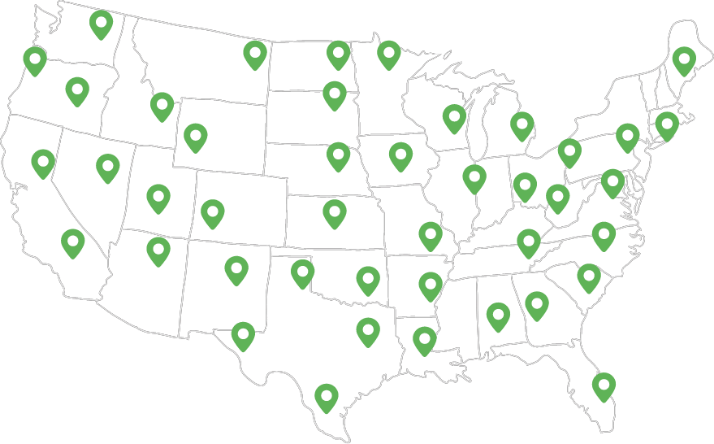
QC Kinetix serves patients throughout 30+ states with professional clinics offering cellular therapy near you. No need to travel internationally, we continue to expand locations where cellular therapy is needed most.

Before committing to surgery, some Denver golfers explore nonsurgical options to manage joint pain and stay on the course. These outpatient treatments generally involve less downtime than a surgical procedure. For many, that means finishing out the season and getting back to comfortable rounds with friends rather than sitting on the sidelines.
We also believe in being straightforward. Nonsurgical options are not right for every situation, and in more severe cases, surgery may still be necessary. Our goal is to help you understand the full picture. Curious whether you may be a candidate? Book a Consultation.
Regenerative medicine is not appropriate for everyone. During your consultation, our regenerative health providers review your medical history to determine whether you are a candidate. These treatments are generally not recommended for people managing certain conditions, including:
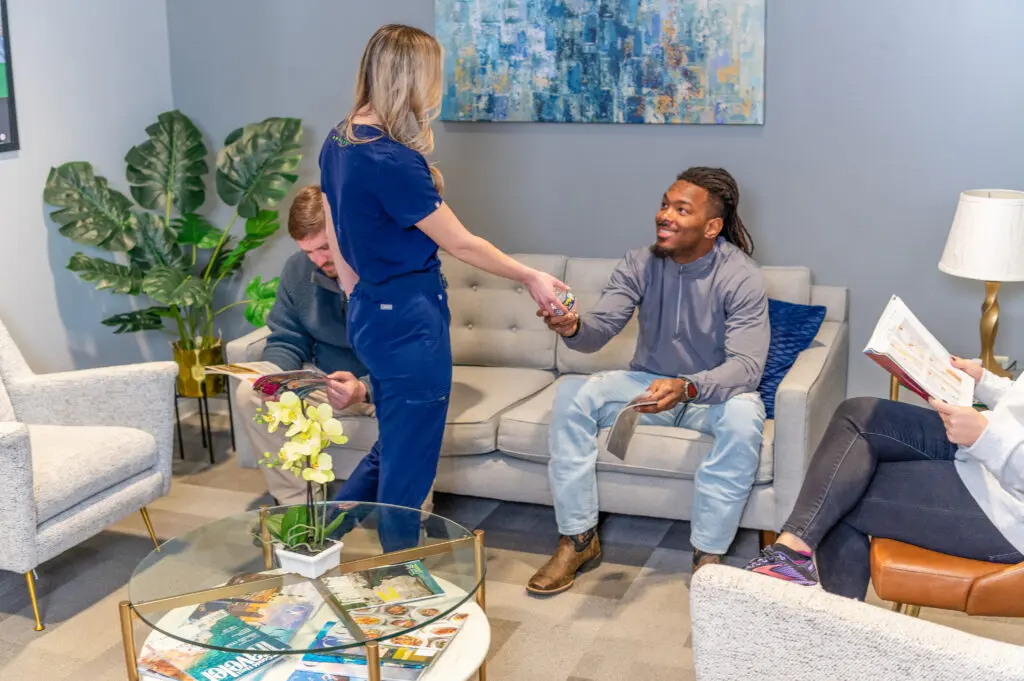
Denver golfers have plenty of options for managing joint pain. Here is what draws many of them to QC Kinetix:
Our team includes highly trained doctors and regenerative health providers who take the time to understand your goals. Find us at our Denver locations, with clinics in Aurora, Superior, Highlands Ranch, and also in Colorado Springs.
PRP is one of the nonsurgical options we offer for golf-related joint pain, including lower back pain from the rotational stress of the swing. It uses concentrated platelets from your own blood to support your body’s natural healing response.
Regenerative medicine is used to address pain in several joints affected by the golf swing, including the shoulder and the knee. Because every golfer is different, our providers tailor any recommendation to your goals.
Yes. QC Kinetix Denver offers nonsurgical, outpatient treatments for golf-related joint pain in the back, shoulder, hip, and knee, with most treatments requiring minimal downtime.
Coverage varies, and many regenerative treatments are not covered by insurance. Our team can walk you through options and pricing during your consultation.
If pain lingers after rounds, returns each time you play, or starts affecting your swing, it is worth having it looked at. Addressing recurring discomfort sooner often gives you more options to consider.
Many active golfers are, though not everyone is. A consultation lets our regenerative health providers review your health history and goals to determine whether you may be a candidate.
PRP uses concentrated platelets from your blood, while cellular therapy uses bone marrow aspirate concentrate. Both are outpatient, and a consultation can help determine which may be the better fit.
Golf-related joint pain does not have to mean giving up the game you love. Before committing to surgery, explore nonsurgical options at QC Kinetix Denver designed to help you manage pain and get back to the courses that matter most.
Medical Disclaimer
The information on this page is provided for general educational purposes and is not medical advice. Regenerative medicine treatments are not a guarantee of any particular outcome, and individual results vary. Please consult a qualified medical provider to discuss your specific situation.
"(Required)" indicates required fields