

Knee pain that flares on the stairs, during a squat, or a few miles into a run can slowly pull you away from the things you enjoy. A round of golf or a pickleball match starts to feel like a gamble, and even everyday errands take more planning.
Rest, bracing, and cortisone shots often help for a while, but the pain tends to return once you get moving again. At QC Kinetix, we offer regenerative medicine treatments designed to target the source of knee tendonitis pain without surgery, so you can spend more time on the course or the court and less time on the sidelines.
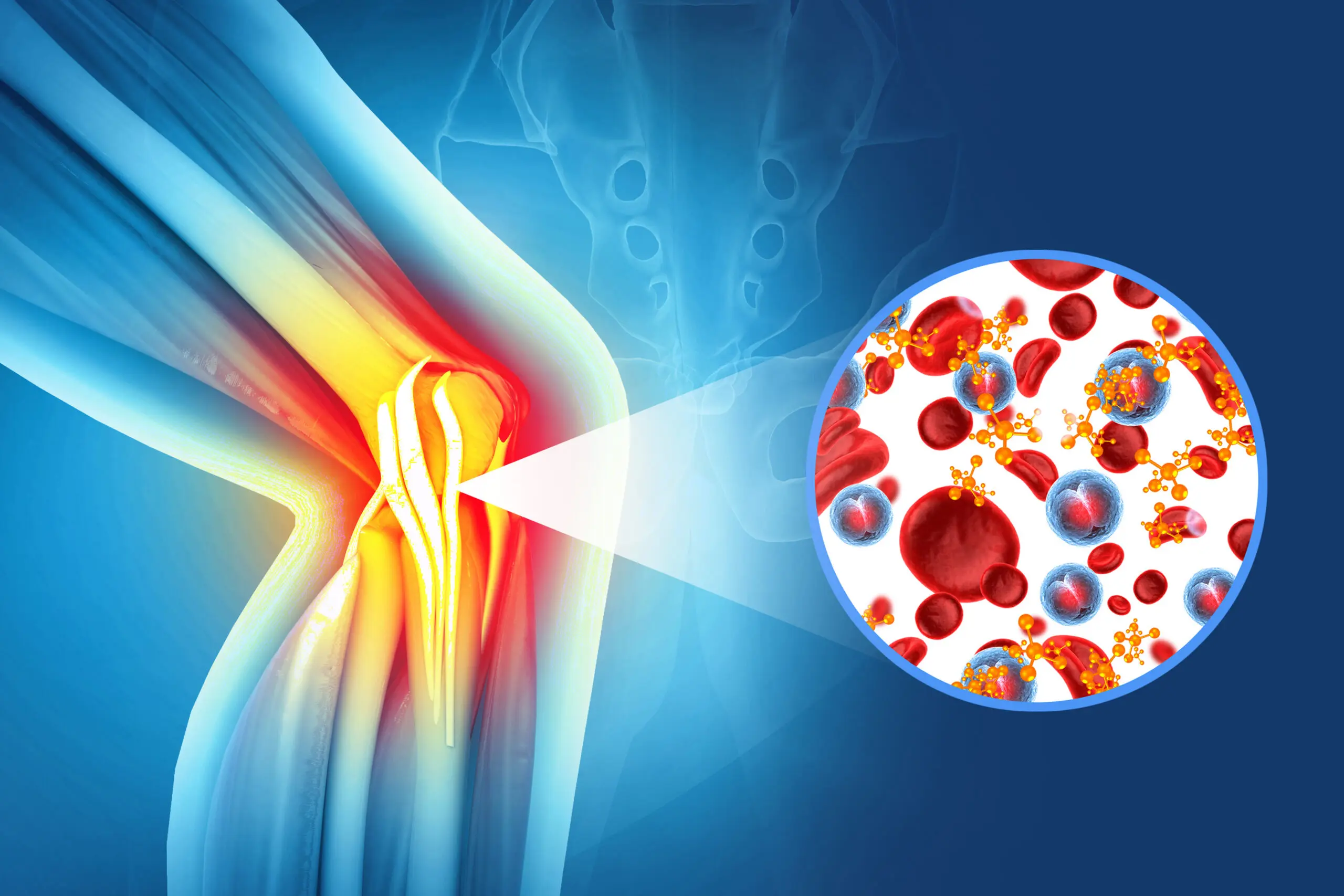
Knee tendonitis is irritation of a tendon around the knee, usually caused by repeated strain from running, jumping, squatting, or climbing stairs.
It often causes tenderness near the kneecap or behind the knee, along with pain that worsens the more you use the joint.
When rest and other conservative care don’t provide lasting relief, QC Kinetix offers non-surgical regenerative medicine options for knee tendonitis pain relief using biologics from your own body.
Knee tendonitis is inflammation or irritation of a tendon around the knee, most often from overuse. It causes tenderness and pain that worsens with activity and eases with rest. You may also hear the term tendinopathy, a broader term that covers both short-term irritation and longer-term tendon wear.
Tendonitis in the knee usually shows up in one of three places:
Pain along the inner side of the knee is a different pattern, often called medial knee pain, and it usually comes from other structures such as ligaments or cartilage, including a torn meniscus.
So what does knee tendonitis feel like? Common knee tendonitis symptoms include:

Tendonitis in the knee usually develops when a tendon is stressed repeatedly faster than it can recover. Small amounts of stress add up over weeks or months until the tendon becomes irritated and sore. Common contributors include:
For many people with tendonitis, knee pain relief starts with conservative care. When doctors explain how to treat knee tendonitis, they often recommend changing or pausing pain-triggering activities, icing the area, and wearing a knee brace or patellar strap. Physical therapy, including stretching and strengthening exercises, is also common.
Conventional treatment for knee tendonitis may include anti-inflammatory medications, and in some cases a doctor may suggest a corticosteroid injection. These approaches can reduce symptoms for many people, especially when knee tendonitis is caught early.
Still, some people find that the pain keeps coming back once they return to their usual routine. If you’re still searching for pain relief for tendonitis in the knee after trying these steps, it may be time to explore additional non-surgical options.

QC Kinetix offers orthobiologics, which are biologic treatments made from your own blood or bone marrow. They work with your body’s natural processes to address knee tendonitis pain at the source. These options may help support comfort around the irritated tendon so you can move with more confidence. We use a similar approach for tendon pain and other musculoskeletal discomfort in the shoulders, elbows, and ankles.
Every plan starts with a close look at your symptoms, activity level, and goals. Your provider uses that information to recommend the option, or combination of options, that makes the most sense for you.

PRP treatment uses platelet-rich plasma, a concentrated source of platelets collected from a small sample of your own blood. Platelets carry growth factors, and this concentrated sample is designed to support your body’s natural healing processes and may help reduce discomfort in the tendon.
BMAC treatment uses bone marrow aspirate concentrate, which contains living cells, growth factors, and proteins sourced from your own bone marrow. These biologics may help decrease inflammation and support soft tissue and joint health around the knee.
Plasma protein concentrate is prepared from your own blood and processed to concentrate naturally occurring proteins. It is designed to promote comfort and joint function, and your provider may recommend it alone or as part of a broader plan.
QC Kinetix serves patients throughout 30+ states with professional clinics offering cellular therapy near you. No need to travel internationally, we continue to expand locations where cellular therapy is needed most.

Many active adults with lingering tendon-related knee pain are good candidates for regenerative medicine. You may be a candidate if you:
The best way to find out whether you are a candidate is to schedule a consultation at your local QC Kinetix clinic.


A non-surgical approach offers practical advantages for people who want to stay on their feet.
Less Invasive Minimally invasive techniques performed in an outpatient setting.
No Hospital Stay Head home the same day and ease back into your routine.
Personalized Care A plan built around your health history and the activities that matter most to you.
Improved Function Our goal is to support easier movement and better day-to-day comfort.
Knee tendonitis recovery time varies from person to person. It depends on how long the pain has lasted, how much stress the tendon is under, and how often it gets a break from aggravating activities. Tendons have a limited blood supply, which is one reason tendons can be slow to recover after months of repeated strain.
No. Tendonitis involves irritation and inflammation from repeated stress, while a tear is a partial or complete break in the tendon fibers. A tear often follows a sudden injury and can cause significant weakness or trouble straightening the leg. A medical evaluation, sometimes with imaging, can help tell the two apart.
Runner’s knee usually refers to a dull ache around or behind the kneecap, where it glides over the thighbone. Knee tendonitis focuses on a specific tendon, so you can often pinpoint the soreness with a fingertip. Both can flare with running, squatting, and stairs, which is why a hands-on exam helps clarify the source.
Yes. Many people come to QC Kinetix after trying cortisone injections and other conventional care. Let your provider know the dates of any recent injections, since timing may affect when regenerative treatment is scheduled.
You may still be able to explore non-surgical options first, depending on your symptoms and the tendon’s condition. A QC Kinetix provider can review your history and any imaging you have, then talk through whether regenerative medicine may be a fit. A complete tendon rupture usually requires surgical repair, so this path depends on the details of your case.
Your first visit begins with a conversation about your symptoms, daily activities, and past treatments. Your provider will examine your knee and review any imaging or records you bring. You’ll leave with a clear sense of whether regenerative medicine may be right for you and what your next steps could look like.
Cost depends on the type of treatment and the plan your provider recommends, so pricing is reviewed during your consultation. Regenerative medicine is typically an out-of-pocket expense, and payment plans may be available to help make care more manageable.
Schedule a consultation at your local QC Kinetix clinic today to learn more about non-surgical options for knee tendonitis pain relief.
Individual results vary. Regenerative medicine treatments may not be appropriate for patients who are pregnant, have active cancer, are immunocompromised, are undergoing chemotherapy or radiation, are on dialysis, or have had a total joint replacement. Talk with your provider about your full health history before starting any treatment.
"(Required)" indicates required fields