Runner’s knee can make training, exercise, and everyday movement more difficult. If you feel a dull, aching pain around or behind your kneecap, especially during or after activity, you may be dealing with patellofemoral pain syndrome.
At QC Kinetix®, we offer regenerative medicine options designed to target the source of knee discomfort and support improved function without surgery. Our non-surgical treatments use natural biologics and minimally invasive techniques to help patients move more comfortably and stay active.
Runner’s knee, also known as patellofemoral pain syndrome, causes pain around or behind the kneecap (patella). It often affects active adults and may become more noticeable during training or other repetitive activities.
Common runner’s knee symptoms may include:
These symptoms can interfere with exercise, sports, and daily activities.
Runner’s knee pain location can vary from person to person. Some people feel it along the edges of the kneecap, while others notice a deeper ache behind it. Where your pain shows up helps our medical team decide which non-surgical option may be worth exploring.
If you notice sudden swelling, your knee gives way, or pain starts after a fall, seek prompt medical attention.
Runner’s knee can develop for several reasons. Common contributing factors include:
Traditional approaches such as rest, ice, and over-the-counter pain relief may help reduce discomfort, but some patients continue to experience ongoing knee pain.
Most runner’s knee treatment options start with conservative care, and it helps some runners. Managing runner’s knee usually starts with reducing stress on the kneecap and strengthening the muscles that support it.
Common first steps include:
For runners, a few training changes may also help:
These steps bring runner’s knee relief for some people, but they don’t work for everyone. If knee pain continues to affect your mobility or training, non-surgical regenerative medicine may be another option to explore.
At QC Kinetix, we provide regenerative medicine treatments designed to support the body’s natural processes and address musculoskeletal knee pain using natural biologics. Each procedure is done on an outpatient basis, with no hospital stay or general anesthesia.
Platelet-rich plasma (PRP) uses concentrated platelets collected from your own blood. Your provider introduces the PRP into the affected knee, where it may help reduce discomfort and improve function. The procedure is minimally invasive and requires no surgical incisions.
Bone marrow aspirate concentrate (BMAC) is a form of cellular therapy that uses biologics sourced from your own bone marrow, including cells, growth factors, and proteins. BMAC knee treatment is designed to support joint and soft tissue health and may help decrease inflammation.
Our plasma protein concentrate treatment uses naturally occurring proteins collected from your blood and then concentrated. These proteins are introduced into the knee to help decrease pain and support a healthier joint environment. It’s a minimally invasive outpatient procedure.
Your provider may recommend one option or a combination, based on the location and nature of your knee pain.
For many runners, giving up the morning run, the next race, or weekend miles with a running group is a lot to ask. Because our procedures are non-surgical, downtime is generally lower than with surgery. Non-surgical care isn’t right for everyone, though, and surgery may still be necessary in some severe cases.
The first step toward runner’s knee pain relief is finding out which path fits you. Find a QC Kinetix clinic near you and request a consultation to see if you may be a candidate.
The best way to determine whether you are a candidate is to schedule a free consultation at your local QC Kinetix clinic.
During your visit, our providers will:
You may be a good candidate if you:
An evaluation is the only way to know for sure whether regenerative medicine is a good fit for you. Individual results vary.
Treatment may not be appropriate if you:
Your provider will review your health history during your consultation.
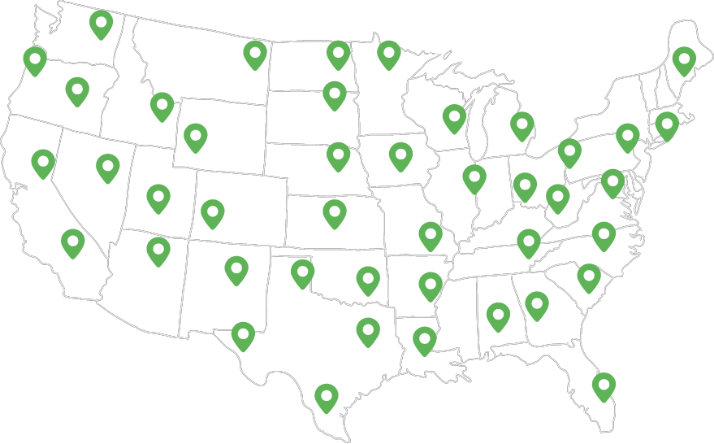
QC Kinetix serves patients throughout 30+ states with professional clinics offering cellular therapy near you. No need to travel internationally, we continue to expand locations where cellular therapy is needed most.
Regenerative treatments offer a non-surgical alternative for people seeking relief from knee pain without the hospital stay or extended recovery often associated with surgery.
Treatments are performed using minimally invasive techniques in an outpatient setting.
Because the procedure is non-surgical, you return home the same day.
Your treatment plan is tailored to your specific condition and goals.
The goal of treatment is to support better knee function and help you return to the activities you enjoy.
Schedule your free consultation at your local QC Kinetix clinic today to learn more about your non-surgical treatment options.
Runner’s knee is another name for patellofemoral pain syndrome, a condition that causes pain around or behind the kneecap.
Regenerative medicine is designed to address musculoskeletal knee pain by supporting the body’s natural processes and improving function. The best way to learn whether it may be right for you is through a consultation at one of our clinic locations.
If conservative care has not provided enough improvement, regenerative medicine may be another non-surgical option to discuss with a provider.
Recovery timelines vary based on the individual and the condition being treated. Your provider can discuss what to expect during your consultation.
Mild pain often eases with rest, activity changes, and exercises that strengthen the hips and quadriceps. Cutting back on mileage or hills may also help. If pain lingers or keeps coming back, a provider can evaluate your knee and discuss non-surgical options that may help reduce discomfort and improve function.
Platelet-rich plasma (PRP) uses concentrated platelets collected from your own blood. When introduced into the knee, PRP may help reduce discomfort and improve function for some runners. The procedure is minimally invasive and done without surgery. Individual results vary, so a consultation is the best way to learn whether PRP may fit your needs.
Consider seeing a provider if your knee pain lingers, returns with every training block, or limits your daily activities. Seek prompt medical attention if you notice sudden swelling, your knee feels unstable or gives way, or pain begins after a fall. A provider can evaluate your knee and explain your options.
Regenerative medicine treatments are typically not covered by insurance, though coverage can vary. Many regenerative medicine treatments are considered qualified medical expenses by the IRS, so you can often use your HSA or FSA funds to cover the costs. QC Kinetix gladly accepts both HSA and FSA funds, but we always recommend confirming coverage with your specific HSA/FSA provider beforehand. During your consultation, our team can explain costs and the payment options available to you.