
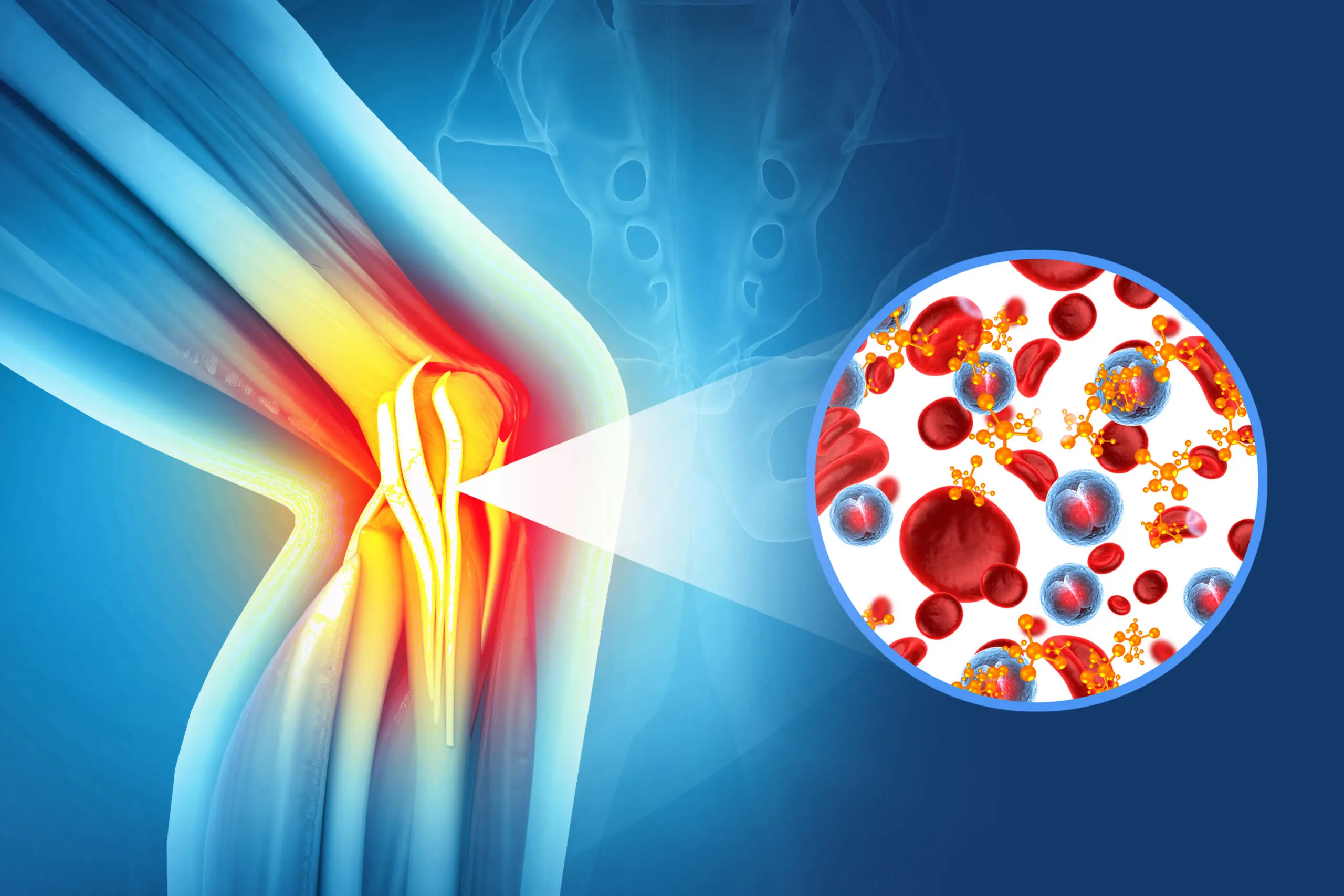
Platelet-rich plasma, or PRP, is a regenerative medicine pain relief treatment that uses growth factors concentrated from a small sample of your own blood to support your body’s natural processes. Understanding what happens after a PRP injection can help you feel more confident about your treatment. Because everyone responds differently, recovery experiences vary based on the source of your pain, the area treated, and your overall health.
Not everyone is a candidate for PRP, so your provider reviews your health history and symptoms to decide whether it is an appropriate option. This guide explains what you might expect in the hours, days, and weeks after treatment, and why follow-up care matters.
Explore Non-Surgical Options for Joint Pain
What Should You Expect Immediately After a PRP Injection?
After a PRP injection, mild soreness, swelling, or stiffness around the treated area can be a normal, temporary response. These sensations often occur as your body processes the treatment and usually resolve quickly.
Most people can return home shortly after their appointment and resume light daily activities. During the first 24 to 48 hours, your provider may recommend resting the treated area, applying heat as directed, and avoiding strenuous movement. The American Academy of Orthopaedic Surgeons notes that mild soreness or swelling may occur after PRP injections and that patients are often advised to modify activity for a short period.
These early after effects generally subside on their own. Rest, gently warming the affected area, and taking it easy are often enough to stay comfortable; you should contact your provider if you notice worsening pain, redness, or possible signs of infection.
How Long Is PRP Injection Recovery Time?
PRP injection recovery time is short: the initial soreness usually fades within just a few days. The exact timeframe can vary depending on the treated area and individual factors like age and activity level, but most people feel normal again quickly.
Many patients notice their comfort and mobility gradually improve over the weeks and months that follow, as the body’s natural processes take shape. For some, these changes may take months to appear, while others benefit from a series of treatments as part of a longer-term, personalized plan. Because every patient’s biology and situation are different, your provider can help set realistic expectations for what your own timeline might look like.
Does Recovery Differ Based on the Joint Being Treated?
Recovery can look a little different depending on which area is treated, since we rely on each joint in different ways. The guidance below reflects general patterns, though your provider will tailor recommendations to your needs.
PRP Injection Knee Recovery Time
After a knee treatment, many people are encouraged to walk gently soon afterward while temporarily modifying more demanding activities. Your provider may suggest easing off high-impact movement at first and gradually returning to exercise as the area feels ready, usually reintroducing low-impact activity before more strenuous workouts. Physical Therapy is also universally recommended after your protocol has concluded, regardless of what area or joint has been treated.
PRP Injection Shoulder Recovery Time
For shoulder treatments, providers often recommend limiting overhead activity in the early days. From there, movement usually progresses gradually based on your provider’s guidance and how your shoulder responds over time.
PRP Injection Elbow Recovery Time
Elbow recovery frequently involves easing back on repetitive gripping activities for a period of time. Sports, lifting, and other demanding motions are typically modified at first and reintroduced step by step.
Across all of these areas, recovery plans are individualized, so your provider’s recommendations should guide your return to activity.
What Activities Should You Avoid After a PRP Injection?
In the early stage of recovery, it is generally best to avoid activities that place heavy stress on the treated area. Giving the area time can support your body’s natural response to treatment. Common activities to hold off on at first include:
- High-impact exercise such as running or jumping
- Heavy lifting that strains the treated joint
- Intense or competitive sports
- Returning to your full routine too quickly
As your recovery progresses, your provider can help you decide when it is safe to resume each activity based on your individualized recommendations.
Why Are Follow-Up Appointments Important?
Follow-up appointments are an important part of the PRP treatment process because they let your provider see how you are responding over time. During these visits, your provider can evaluate your mobility and function, review how the treated area feels, and adjust your recommendations if needed. This personalized care helps ensure your plan continues to fit your progress and goals.
Tips for Supporting Your Recovery
A few simple habits can help you get the most out of your recovery. While your provider’s instructions always come first, the following tips are a helpful starting point:
- Prepare for your treatment beforehand by reviewing what to expect at your first visit.
- Follow your provider’s specific post-treatment instructions.
- Attend your scheduled follow-up appointments.
- Stay hydrated to support your overall health.
- Resume activity gradually rather than all at once.
- Communicate any concerns or unusual symptoms with your provider.
- If you smoke, ANY amount of reduction in smoking will improve your results before, during and after your treatment protocol.
Small, consistent steps like these can make your recovery feel more manageable and keep your provider informed about your progress.
Still relying on short-term relief for ongoing joint discomfort?
QC Kinetix offers non-surgical treatment options designed to support the body’s natural healing response- with no downtime and no surgery required.
Frequently Asked Questions
What should I expect after a PRP injection?
Mild soreness, swelling, or stiffness around the treated area can be a normal, temporary response in the first day or two. Most people return home the same day and ease back into light activities.
How long is PRP injection recovery time?
PRP injection recovery time is short, usually just a few days for the initial soreness to fade. The exact timeframe can vary depending on the treated area and individual factors like age and activity level, but most people feel normal again quickly.
Can I exercise after a PRP injection?
Light movement is often encouraged early on, but high-impact exercise, heavy lifting, and intense sports are usually limited at first. Your provider will let you know when to gradually resume more demanding activity.
How long does knee recovery take after PRP?
Knee recovery is individualized, with gentle walking often encouraged soon after treatment and more strenuous activity reintroduced gradually. Your provider bases your timeline on how the area responds.
When should I contact my provider after PRP treatment?
Reach out if you notice worsening pain, significant swelling, redness, or any possible signs of infection. Your provider can also answer recovery questions at your follow-up appointments.
Learn More About PRP Treatments at QC Kinetix
Every recovery is individualized, and temporary soreness can be a normal part of the process. PRP supports your body’s natural processes over time, and a personalized plan with attentive follow-up care helps guide you along the way.
If you are ready to take the next step, schedule a consultation to talk with our medical team about whether PRP may be right for you.


