
At a Glance
PRP results follow no universal timeline – most patients experience mild soreness in the first few days, gradual improvements in comfort and mobility between weeks two and six, and continued development over months two through six.
How long benefits last depends on multiple factors, including the severity of the condition, the treatment area, age and overall health, activity level, and whether a single treatment or a series is recommended.
PRP is generally not a one-time fix – many patients incorporate it into a longer-term plan, with follow-up visits and lifestyle adherence playing a meaningful role in sustaining results.
Platelet-rich plasma (PRP) has become one of the most widely discussed regenerative medicine options for joint pain and arthritis-related soreness. If you are exploring non-surgical alternatives for chronic musculoskeletal discomfort, you have likely come across PRP as a potential path forward. And one of the first questions most people ask is: How long does PRP last?
The answer is not one-size-fits-all. PRP results timelines vary by patient, condition, and individual treatment plan. This article walks you through what current research and clinical experience suggest — and what you can realistically expect.
What Is PRP and How Does It Work?
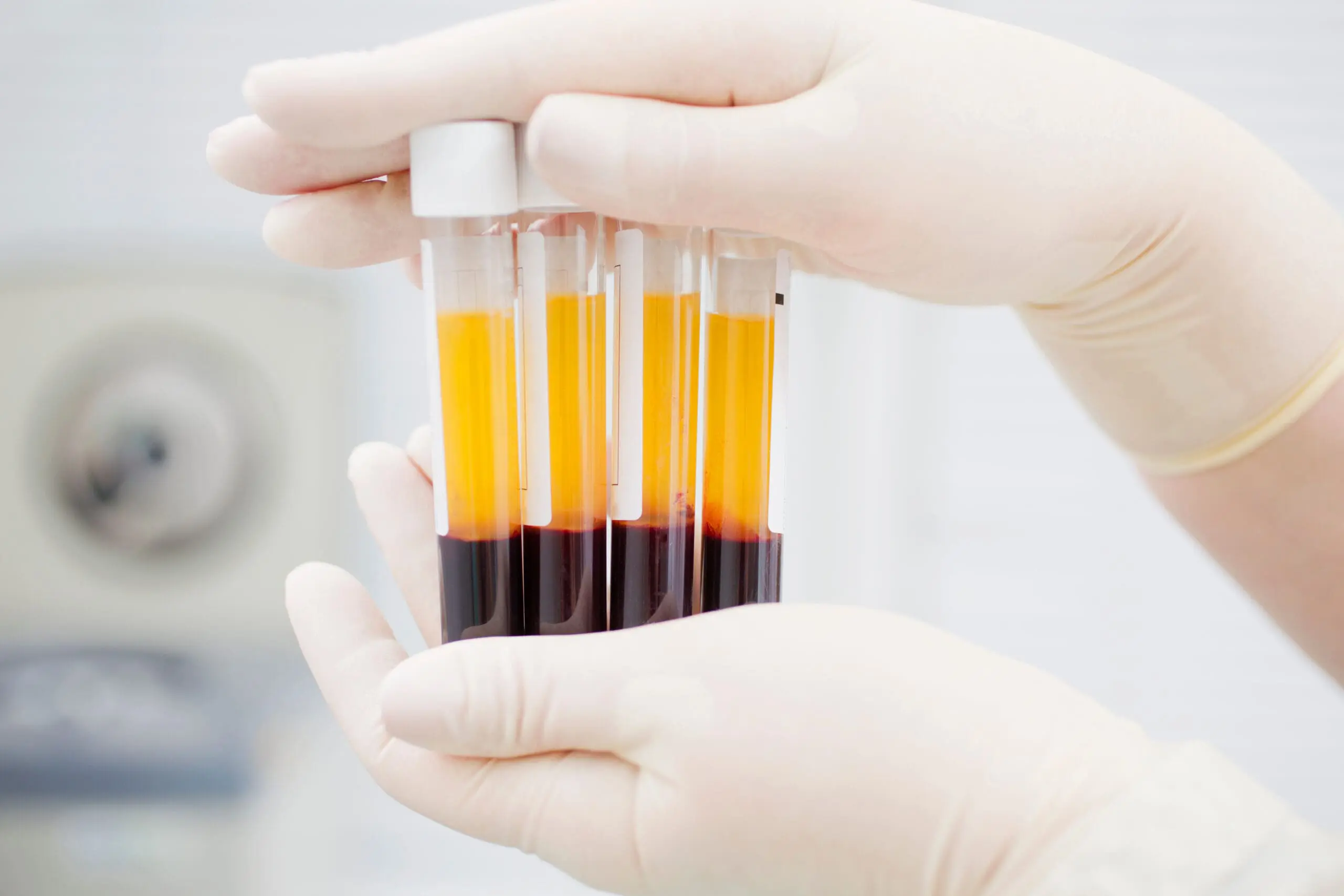
PRP stands for platelet-rich plasma. The process begins with a small draw of your own blood. Platelets are then concentrated and collected from that sample. Platelets contain growth factors and proteins that play a key role in the body’s natural recovery processes. When concentrated PRP is introduced into an area of discomfort, it is designed to support the body’s own mechanisms for tissue revitalization and improved function.
At QC Kinetix, our PRP treatments are used as part of a broader approach to regenerative medicine — a field focused on working with your body’s innate biology rather than masking symptoms with drugs or invasive procedures. Our regenerative health providers are highly trained doctors, physician assistants, and nurse practitioners.
Valencia by Hillwood
PRP Results Timeline: When Might You Notice Changes?
Every patient responds differently to PRP, and timelines vary based on individual circumstances. That said, many patients and providers describe a general arc of experience that may help set realistic expectations.
- First Few Days
It is common to experience mild soreness in the treated area shortly after a PRP session. This is a normal part of the body’s response to treatment. Rest and following your provider’s aftercare guidance during this period is important.
- Weeks 2–6
Some patients begin noticing gradual improvements in comfort and mobility during this window. Changes may be subtle at first — a bit more ease when climbing stairs, reduced morning stiffness, or a wider range of motion in a previously limited joint.
- Months 2–6
For many patients, improvements may continue developing throughout this longer window as part of the body’s natural processes. The biological activity stimulated by PRP does not happen overnight; it unfolds over time. This is why follow-up visits and ongoing communication with your QC Kinetix provider are such a meaningful part of the experience.
Important: Results vary from person to person. Individual experiences differ, and no specific outcomes can be guaranteed.
What Factors Influence PRP Injection Results?
When patients ask about PRP injection results, one of the most honest answers we can give is this: your individual biology matters enormously. Several variables may shape how you respond to treatment:
- Severity and nature of the discomfort being addressed
- Age and overall health status
- The specific treatment area (knee, shoulder, hip, ankle, etc.)
- Activity level and lifestyle habits
- How closely you follow your provider’s recommendations
- Whether a single treatment or a series of treatments is recommended as part of your plan
This is why QC Kinetix takes an individualized approach to every patient. Rather than offering a single template for everyone, our regenerative health providers work with you to develop a treatment plan that reflects your specific circumstances and goals. Explore our full range of joint pain treatments to learn what may be available for your area of concern.
How Long Does PRP Last?
The direct answer: there is no universal timeframe. PRP is designed to support the body’s natural processes over time, but individual experiences vary considerably.
Some patients report that improvements in comfort and mobility persist for many months following treatment. Others may benefit from additional treatments as part of a longer-term, personalized plan. The duration of any benefit depends on the condition being addressed, the patient’s overall health, and how their body responds to the biological processes PRP is intended to support.
What we can say with confidence is that PRP is not a one-and-done solution for every patient. For many, it is one part of a broader commitment to maintaining function, managing soreness, and supporting an active lifestyle. Your QC Kinetix provider will help you understand what a realistic, personalized timeline might look like for your situation.
To understand how PRP compares with other approaches, read our overview of PRP vs. cortisone in regenerative medicine.
Can PRP Results Change Based on the Condition Being Treated?
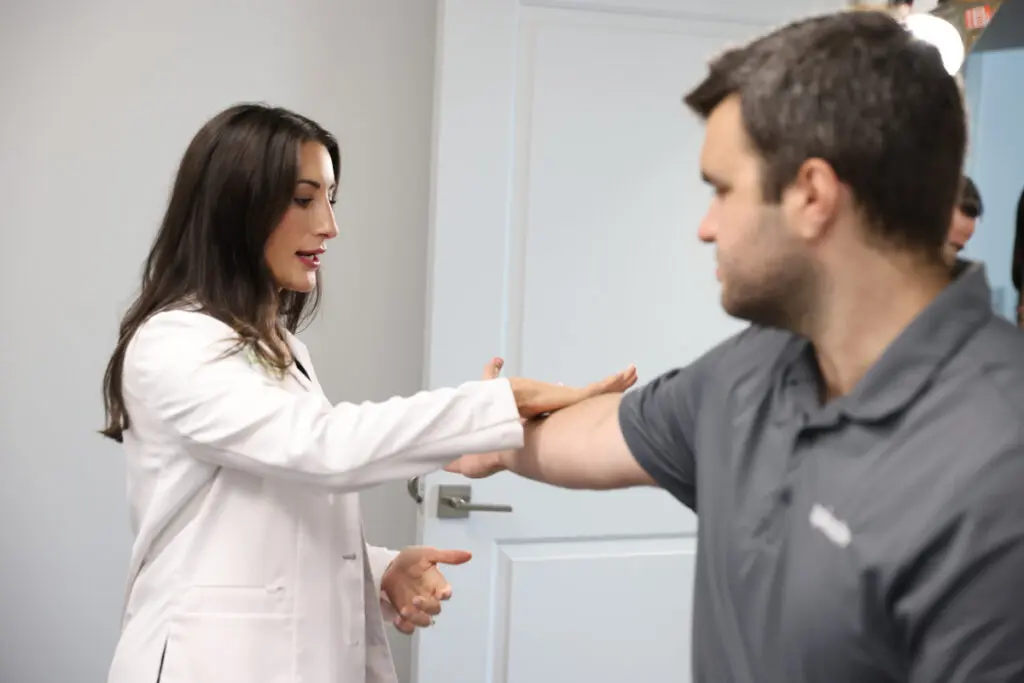
Yes, and this is an important nuance that often gets overlooked in general conversations about PRP. Different areas and types of soreness present unique environments for biological activity. Here is a high-level look at two common scenarios:
Arthritis-Related Soreness
For patients experiencing arthritis pain, the goals of PRP are typically centered on supporting a healthier joint environment, improving mobility, reducing pain, and restoring function so that daily activities feel more manageable. Learn more about our approach to arthritis pain relief and what options may be available to you.
Tendon & Ligament Discomfort
Tendon and ligament issues often involve different biological timelines and different demands on the body than joint soreness from conditions like osteoarthritis. Activity levels, the location of the pain, and the nature of the injury all play a role in shaping how PRP may work for someone dealing with this type of discomfort.
In all cases, individualized treatment planning is essential. Our regenerative health providers take time to understand your specific condition before recommending a path forward.
How Can You Support Your PRP Results?
One of the most empowering aspects of PRP is that you are an active participant in your own care. How you approach the post-treatment period can influence your body’s response. Here are some general recommendations that many providers emphasize:
- Follow your QC Kinetix provider’s specific aftercare and activity recommendations closely
- Stay as active as advised — movement is often encouraged, but within appropriate limits
- Attend all scheduled follow-up visits so your provider can monitor your progress
- Maintain a healthy lifestyle, including nutritious eating and quality sleep
- Avoid placing excessive load or strain on treated joints too soon after treatment
The relationship between you and your provider does not end when you walk out after treatment. It continues through check-ins, adjustments, and the kind of ongoing dialogue that helps ensure your plan is working for you.
Is PRP Right for You?
PRP may be worth exploring if you are in one or more of the following situations:
- You are dealing with arthritis-related soreness that limits your daily activities or quality of life
- You have chronic joint pain and have not found adequate relief through conventional approaches
- You are seeking non-surgical options and want to avoid the risks and recovery associated with surgery
- You are hoping to maintain your mobility and activity levels as you age
- You want a treatment approach that works with your body’s own processes rather than masking pain with medication
The best way to determine whether PRP is appropriate for your situation is to speak with one of our regenerative health providers. Every patient is different, and a free consultation gives us the opportunity to understand your pain, your goals, and your overall health picture before making any recommendations.
Frequently Asked Questions
How Long Does PRP Last?
There is no one answer. Some patients experience improvements in comfort and mobility for many months, while others may benefit from follow-up treatments as part of a personalized plan. Duration depends on the condition being addressed, overall health, and individual response. Results vary.
How Long Does It Take to See PRP Injection Results?
Some patients begin noticing gradual changes in comfort and mobility between weeks two and six. More meaningful developments may continue unfolding over months two through six as the body’s natural processes progress. However, individual experiences vary, and no specific timeline applies to everyone.
What Factors Affect PRP Results?
Key factors include the severity and nature of your discomfort, your age and overall health, the specific area being treated, your activity level, and how closely you follow your provider’s recommendations. Whether one treatment or multiple treatments are recommended can also play a role.
Does Everyone Respond to PRP the Same Way?
No. Individual biology, health status, and the specific area of discomfort all influence how a person responds to PRP. This is why QC Kinetix takes a personalized approach to every patient rather than offering a one-size-fits-all protocol.
Can I Receive More Than One PRP Treatment?
Yes. Many patients receive a series of treatments as part of a longer-term plan. Your QC Kinetix provider will discuss what approach is most appropriate for your situation during your free consultation.
Disclaimer: Results vary. Individual outcomes cannot be guaranteed. This content is for informational purposes only and does not constitute medical advice. Please consult a qualified regenerative health provider to determine whether PRP treatments are appropriate for your individual circumstances.


