
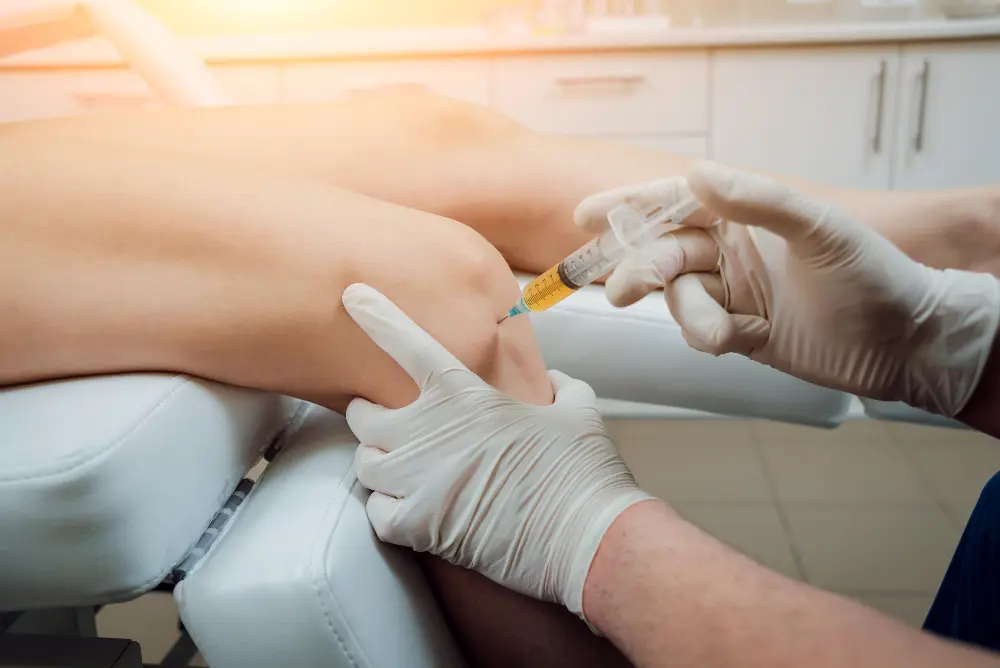
Most patients tolerate PRP treatments well, with mild soreness at the injection site being the most commonly reported response, along with occasional swelling, minor bruising, or temporary joint stiffness.
These effects typically improve within a few days and continue resolving over one to two weeks, though recovery timelines vary by treatment area and individual factors like age and activity level. While PRP carries fewer risks than many procedures since it uses the patient’s own blood, signs like fever, spreading redness, worsening swelling, or severe pain warrant a call to the provider.
Platelet-rich plasma (PRP) has become an increasingly popular regenerative medicine therapy for adults dealing with joint pain, tendon irritation, and a range of musculoskeletal conditions. As more patients explore non-surgical alternatives, one of the most common questions we hear at QC Kinetix is: “What are the side effects of PRP injections?”
Understanding what’s considered a normal response after a PRP treatment – and what may warrant a call to your provider – can help ease anxiety and set realistic expectations. Here’s what you should know before and after your appointment.
Explore Non-Surgical Options for Joint Pain
What Is PRP and Why Can Side Effects Occur?
PRP stands for platelet-rich plasma. It is derived from your own blood: a small sample is drawn, and the platelets are then concentrated and collected to create a preparation rich in growth factors and proteins. This concentrated solution targets the source of your discomfort and supports your body’s natural processes.
Because PRP introduces a concentrated biologic solution into tissue, you may notice some temporary post-treatment responses. These are generally a sign that your body is responding and are considered a normal part of the experience, though it’s always important to stay in touch with your provider if something feels off.
Common PRP Injection Side Effects
Most patients tolerate PRP treatments well. The following are commonly reported temporary responses after treatment:
- Mild Soreness at the Treatment Site
This is the most frequently reported experience. Mild soreness in the area where the treatment was administered is common and typically temporary, often improving within a few days.
- Swelling
Some swelling may occur around the treatment area as part of the body’s natural response. This is generally mild and self-resolving.
- Bruising
Minor bruising around the treatment area is possible. This typically fades on its own within several days.
- Joint Stiffness
Some patients experience temporary stiffness in the treated joint. This typically resolves as the body adjusts in the days following treatment.
- Temporary Increase in Discomfort
A short-term flare in discomfort is something some patients experience before noticing improvement. This is not uncommon and should be discussed with your provider if it persists or intensifies.
Keep in mind that every patient’s experience is unique, and not everyone will encounter all or any of the responses listed above. Your QC Kinetix provider will walk you through what to expect based on your specific treatment plan.
Side Effects of PRP Injections: How Long Do They Usually Last?
In most cases, common post-treatment responses, such as soreness, mild swelling, or stiffness, begin to improve within a few days and may continue to resolve over one to two weeks. That said, recovery timelines can vary based on the area being treated and individual factors such as age, overall health, and activity level.
It’s important to follow the specific aftercare guidance your QC Kinetix provider gives you, as those instructions are tailored to your situation. Avoid overexerting the treated area and allow your body adequate time to respond.
What Are the Risks of PRP Injections?
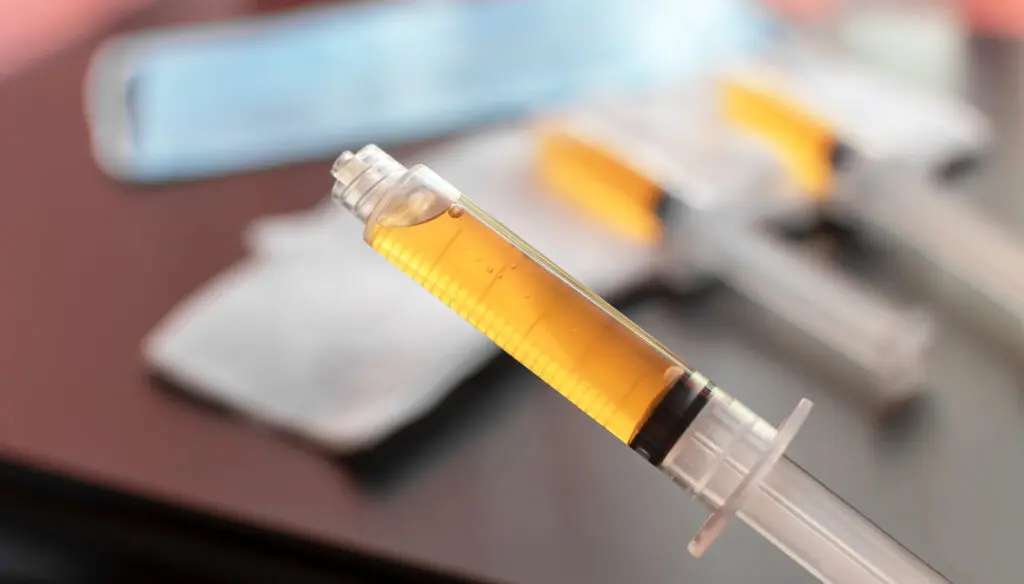
While PRP uses your own blood, which minimizes certain risks, it’s important to understand that all medical procedures carry some degree of risk. Potential risks associated with PRP treatments may include:
- Infection at the treatment site
- Bleeding
- Temporary nerve irritation
- Increased soreness in the days following treatment
- Localized reactions at the treatment site
Your provider will review your health history and discuss any individual risk factors with you prior to your first appointment. Results vary by patient. If you have questions, we encourage you to bring them to your consultation.
What Are the Side Effects of PRP for Different Conditions?
The post-treatment experience can differ depending on the area being addressed. Here is a general overview:
- Arthritis-Related Joint Pain
Patients seeking relief from arthritis pain may experience temporary soreness or mild joint stiffness in the days following treatment. These responses typically subside as the body continues to process the treatment.
- Tendon & Ligament Conditions
For patients addressing pain due to tendon conditions, localized tenderness and activity-related soreness are among the most commonly reported experiences following treatment.
- Sports-Related Musculoskeletal Pain
Recovery experiences for sports-related joint pain vary from patient to patient. Your provider will give you tailored guidance based on the area treated and your activity goals.
No matter which area is being addressed, our regenerative health providers will outline what you may experience following your treatment and ensure you feel informed and supported every step of the way.
When Should You Contact Your Provider?
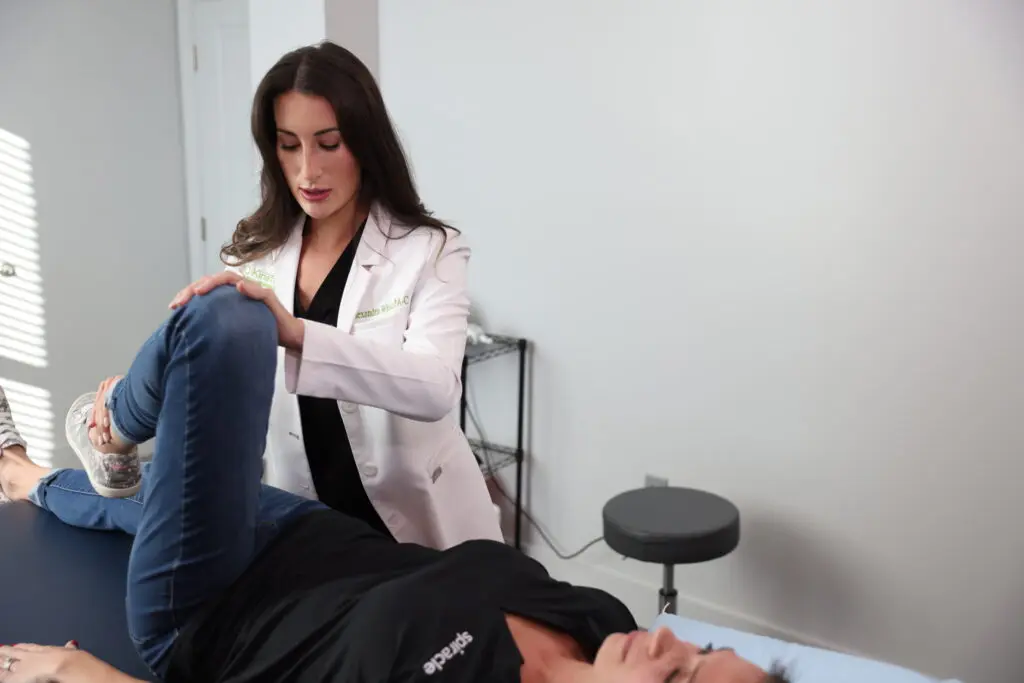
While most post-treatment responses are mild and temporary, there are certain signs that warrant a call to your provider sooner rather than later. Reach out if you experience any of the following after a PRP treatment:
- Fever
- Significant redness that is spreading or worsening
- Swelling that continues to worsen after the first 48–72 hours
- Severe or escalating pain
- Any signs of infection, such as warmth, discharge, or unusual tenderness
When in doubt, contact your QC Kinetix provider. We are here to guide you through your recovery and address any concerns promptly.
Tips for a Smooth Recovery After PRP Treatment
Giving your body time and the right conditions to respond is an important part of the process. Here are a few practical recovery guidelines:
- Follow your provider’s post-treatment instructions carefully.
- Avoid placing excessive strain on the treated area in the days following your appointment.
- Attend any scheduled follow-up appointments so your provider can monitor your response.
- Stay as active as your provider recommends; light movement is often encouraged, while high-impact activity may need to wait.
- Allow your body adequate time to respond; everyone’s timeline is different.
Above all, be patient with yourself. Your body needs time to respond, and honoring that process is an important part of your overall experience.
Are PRP Treatments Right for You?
PRP may be worth exploring if you are dealing with arthritis-related soreness, joint pain, tendon-related pain, or other musculoskeletal discomfort — and you are looking for a non-surgical approach to address it.
At QC Kinetix, our regenerative health providers are highly trained doctors, physician assistants, and nurse practitioners who take the time to understand your specific situation. We offer various non-surgical regenerative medicine treatments designed to target the source of your pain and support your body’s own processes — without surgery, drugs, or lengthy downtime.
Frequently Asked Questions
What Are the Most Common PRP Injection Side Effects?
The most commonly reported responses include mild soreness at the treatment site, temporary swelling, minor bruising, and brief joint stiffness. These typically resolve within days to a couple of weeks.
How Long Do PRP Side Effects Last?
Most post-treatment responses improve within several days and may continue to resolve over one to two weeks. Recovery timelines vary depending on the treatment area and individual patient factors.
Are PRP Treatments Safe?
PRP uses your own blood, which reduces certain risks. However, as with any procedure, some risks exist. Our providers thoroughly review your health history and discuss any concerns before treatment. Our “What is PRP?” page has more information about how this therapy works.
What Are the Risks of PRP Treatments?
Potential PRP injection risks include infection, bleeding, temporary nerve irritation, increased soreness, and localized reactions at the treatment site. These are generally uncommon and mild.
When Should I Call My Provider After PRP Treatment?
Contact your provider if you develop a fever, notice significant or spreading redness, experience worsening swelling beyond the first few days, or have severe pain or signs of infection. Your provider is your best resource for monitoring your recovery.
Individual results may vary. The information provided here is for educational purposes and does not constitute medical advice. Please consult a qualified provider to determine whether PRP treatments are appropriate for your individual needs.


