Conditions Treated > Knee Pain > Locked Knee

Knee Locking Up

Causes of Locked Knee and Treatment Options

Your knees play a vital role in everyday movement, supporting activities like walking, sitting, running, and jumping. When something interferes with normal joint movement, even simple tasks can become difficult.

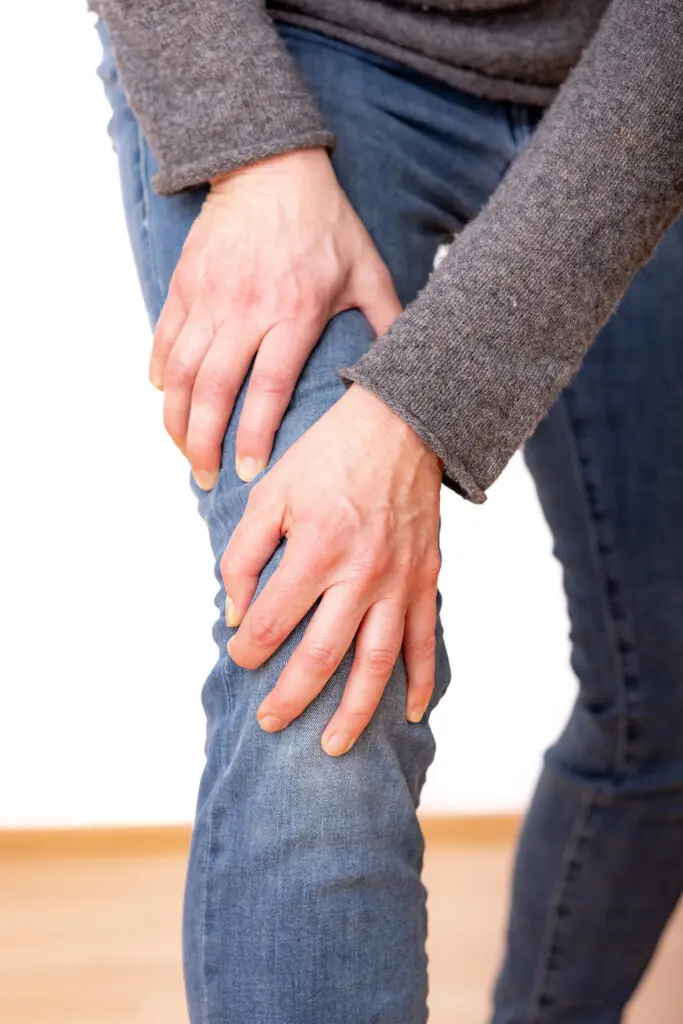
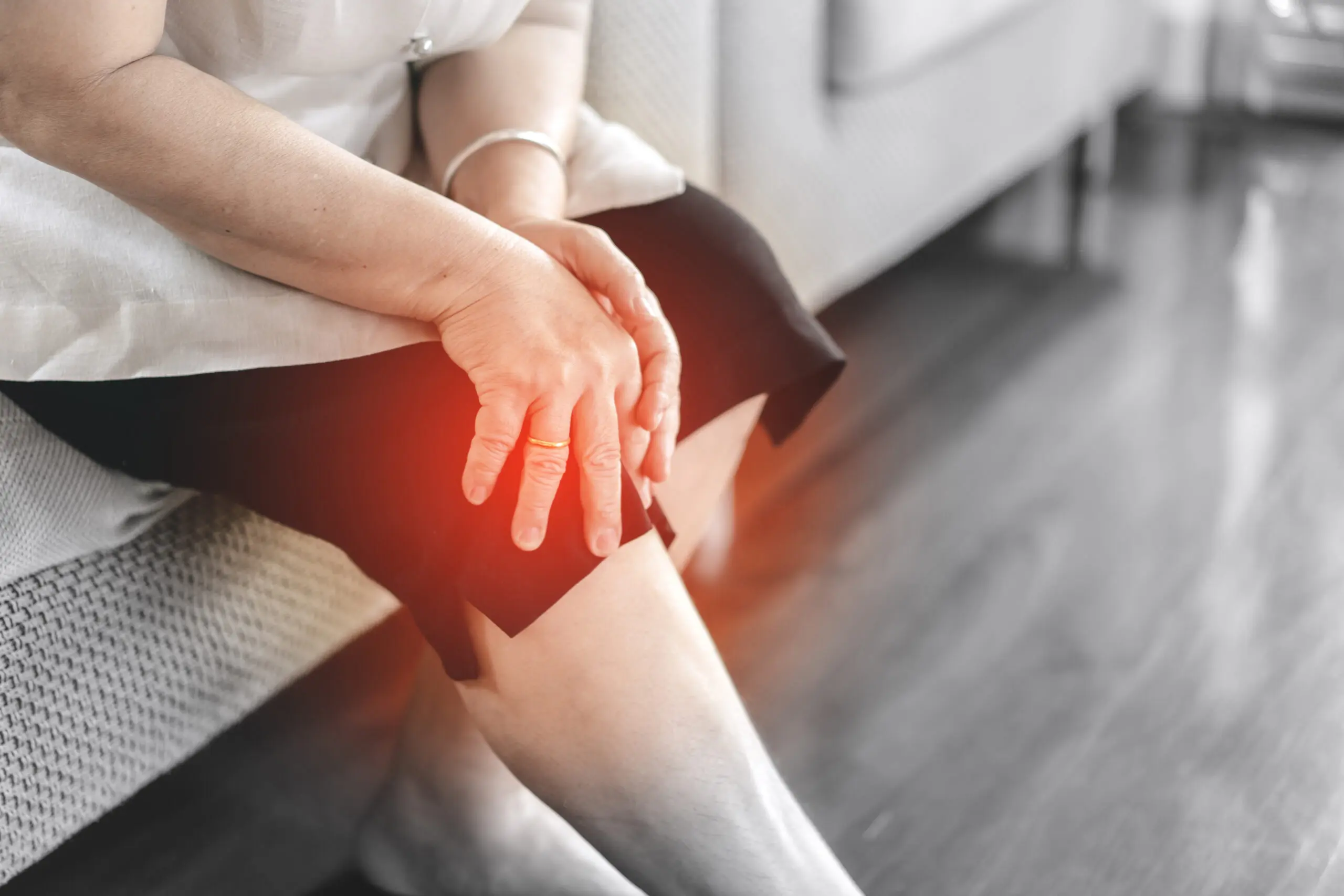
One issue people sometimes experience is a locked knee. When your knee locks, you may suddenly find that you cannot fully bend or straighten the joint. This can affect your mobility and may be accompanied by pain or swelling.

Below, we cover what a locked knee joint is, what causes it, what to do when your knee locks up, and what non-surgical treatment options may be available.

At QC Kinetix®, we offer regenerative medicine options designed to target the source of knee pain and support improved function without surgery.

What Is a Locked Knee?

A locked knee occurs when something prevents the joint from moving properly. This can make it difficult or impossible to fully bend or extend the knee.

Some people experience temporary locking that lasts only a few seconds, while others may have more persistent symptoms that require medical evaluation.

Common symptoms may include:

  • Knee stiffness
  • Pain and swelling
  • A popping or clicking sensation
  • A feeling that the knee is catching or stuck
  • Knee instability or looseness

Clinicians sometimes distinguish between true locking, where a physical obstruction inside the joint blocks movement, and pseudo-locking, where pain and muscle guarding restrict motion without a mechanical block. The distinction matters because it points to different underlying causes.

If locking occurs frequently or is accompanied by significant pain, it is important to seek evaluation from a medical provider.

Why Does My Knee Lock Up?

There are several potential causes of knee locking.

Meniscus Tear

A common cause of a locked knee is a torn meniscus. The meniscus is cartilage that cushions the joint between the thighbone and shinbone. If a torn piece of cartilage shifts into the joint space, it can block normal movement.

The American Academy of Orthopaedic Surgeons lists catching or locking of the knee among the most common symptoms of a meniscus tear, alongside pain, stiffness and swelling, a sensation of the knee giving way, and an inability to move the knee through its full range of motion. AAOS also notes that without treatment, a piece of the meniscus may come loose and drift into the joint, which can cause the knee to slip, pop, or lock.

Loose Bodies in the Knee

Sometimes, small fragments of bone or cartilage can break loose inside the joint. These fragments can interfere with knee movement and cause the joint to lock.

AAOS describes this as a painful locking or catching that usually occurs while walking, and notes it may feel as though something is physically blocking the knee from fully straightening or bending. A popping or cracking sound from inside the knee often accompanies it.

Pseudo-Locked Knee

In some cases, knee locking may be caused by muscle spasms around the joint. This is sometimes referred to as a pseudo-locked knee. Pain in the joint can trigger muscle tightening that temporarily restricts movement.

Unlike true locking, there is no physical obstruction inside the joint. Because the mechanism is different, the approach to addressing it is often different as well.

Cartilage Damage and Arthritis Pain

Wear to the cartilage surfaces inside the knee can also produce catching or locking sensations, particularly when loose cartilage fragments are present. This cause is more common in older patients and in those with osteoarthritis pain affecting the knee.


What Should You Do If Your Knee Locks Up?

If you experience knee locking along with pain or swelling, some initial steps may help reduce irritation in the joint.

These may include:

  • Resting the knee and avoiding strenuous activity
  • Applying ice to help reduce swelling
  • Elevating the leg to encourage circulation
  • Gentle stretching or range-of-motion exercises once pain improves

Over-the-counter anti-inflammatory medications or physical therapy may also be recommended by a healthcare provider, depending on the cause of the symptoms.

If knee locking persists, imaging tests such as X-rays or MRI may be used to identify the underlying problem.

Non-surgical Knee Pain Treatment at QC Kinetix

If knee locking is related to underlying joint damage or chronic knee pain, regenerative medicine may offer a non-surgical option.

At QC Kinetix, our regenerative treatments are designed to target the source of musculoskeletal pain and support the body’s natural processes. These minimally invasive treatments aim to improve joint function and help you return to normal activities.

PRP for knee pain

PRP, or platelet-rich plasma, is concentrated from a small sample of your own blood, then delivered to the affected area of the knee. Because it uses your own biologic material, PRP is drug-free and minimally invasive. It is often considered for joint irritation and soreness related to cartilage wear or surrounding soft tissue.

BMAC for knee pain

For more involved or longer-standing knee discomfort, BMAC treatment may be considered. BMAC, or bone marrow aspirate concentrate, contains living cells, growth factors, and proteins collected from your own bone marrow, typically from the hip. These may help decrease inflammation and support joint and soft tissue health.

Cellular Therapy For Knee Pain

Cellular therapy may be used on its own or alongside other biologic options as part of a personalized plan.

Our medical providers evaluate your symptoms, review imaging when available, and develop a personalized treatment plan based on your condition. Individual results vary, and candidacy is determined during your consultation.

It is worth noting that if a loose fragment is physically blocking the joint, that mechanical obstruction may need to be addressed directly before or alongside any other approach. A consultation and evaluation can determine what is appropriate for your situation.

Are You a Candidate for Non-surgical Knee Pain Treatment?

The best way to determine whether regenerative medicine may help is to schedule a free consultation at your local QC Kinetix clinic.

During your visit, our providers will:

You may be a good candidate if you:

Benefits of

Non-surgical Knee Pain Treatments

Regenerative medicine treatments offer potential benefits without the hospital stay or lengthy recovery often associated with surgery.

Less Invasive

Treatments are performed in an outpatient setting.

No Hospital Stay

Patients return home the same day.

Personalized Care

Treatment plans are customized to each patient’s condition and goals.

Improved Function

Therapies are designed to support joint function and help patients stay active.

Frequently Asked Questions About Knee Locking

Knee locking usually happens when something interferes with the joint’s normal movement. The most common causes are a torn meniscus, a loose fragment of bone or cartilage inside the joint, or muscle spasms around the knee that restrict motion without a physical obstruction. Cartilage wear associated with osteoarthritis pain can also contribute.

These are different conditions. A locked knee is a sudden mechanical restriction, often caused by torn cartilage or a loose fragment physically blocking the joint. A frozen knee, clinically called arthrofibrosis, is a gradual stiffening caused by excessive scar tissue building up in and around the joint, and it most often develops after knee injury or surgery. Research published through the National Institutes of Health notes that roughly 5 percent of total knee replacement patients develop arthrofibrosis. If your knee has become progressively stiffer over weeks or months rather than locking suddenly, arthrofibrosis may be worth discussing with your provider.

Rest the knee, apply ice, elevate the leg, and avoid forcing the joint back into position. If locking resolves quickly and does not recur, it may not require further attention. If it happens repeatedly, persists, or comes with significant pain or swelling, seek evaluation from a medical provider. Imaging may be needed to identify what is causing the obstruction.

Sometimes. Temporary locking caused by muscle guarding often resolves within seconds or minutes. Locking caused by a torn meniscus fragment or a loose body may also resolve temporarily if the fragment shifts out of the joint space, but it tends to recur because the underlying cause remains.

No. A meniscus tear is the most common cause, but loose bodies, cartilage damage, and muscle spasms can all produce similar symptoms. Because the causes differ and the appropriate approach differs with them, evaluation and imaging are typically needed to identify which is involved.

Options may include rest, activity modification, physical therapy, anti-inflammatory medication, and regenerative medicine treatments such as PRP or BMAC. Which approach fits depends on what is causing the locking and how severe it is. If a loose fragment is physically obstructing the joint, that may need to be addressed directly.

Cost depends on the treatment plan recommended for your specific condition, which is determined during your complimentary consultation. Regenerative treatments are typically out-of-pocket, and payment plans are available. Bring any insurance or HSA/FSA questions to your consultation for a clear answer.

Ready to reduce knee pain without surgery?

Book a Consultation at your local QC Kinetix clinic today to learn more about your non-surgical treatment options.

Success Stories

Medical Disclaimer: This content is for informational purposes only and is not a substitute for professional medical advice. Individual results vary. Regenerative treatments have contraindications, including pregnancy, active cancer, immunocompromise, undergoing chemotherapy or radiation, dialysis, and total joint replacement.

Secret Link