
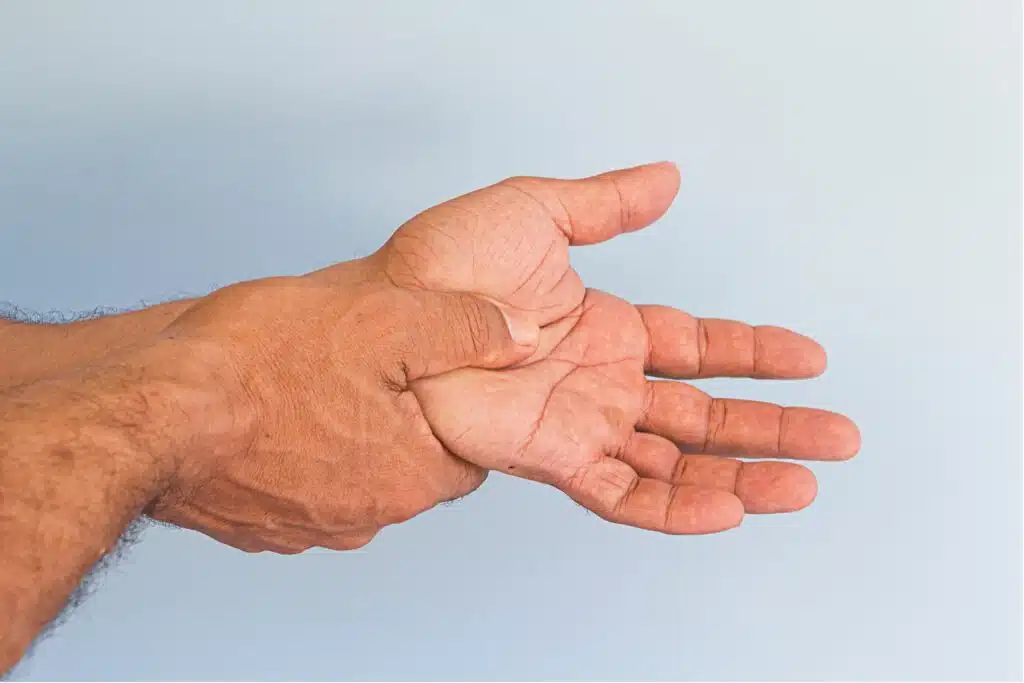
Tingling or a “pins and needles” sensation in the hands is a common symptom, and most people have felt it at some point when a hand “falls asleep.” Some people, though, notice it more often, or it lasts longer or comes and goes.
The Mayo Clinic notes that tingling or numbness can be bothersome without being serious, but it can also be a symptom of an underlying medical condition. Here are the most common causes.
Explore Non-Surgical Options for Joint Pain
Possible Causes
- Carpal Tunnel Syndrome occurs when the median nerve, which runs through the wrist, becomes compressed or irritated. It causes tingling, numbness, and weakness in the hand and fingers.
- Peripheral Neuropathy is the name for damage to the peripheral nerves, often caused by diabetes, vitamin deficiencies, or certain medications.
- Raynaud’s Disease is a condition affecting the blood vessels in the fingers and toes, causing episodes in which the fingers become pale, cold, and tingle or feel numb.
- Cervical Radiculopathy is a nerve problem in the neck that causes tingling and weakness in the arms and hands, from compression or irritation of nerves as they exit the spinal cord.
- Vitamin B12 Deficiency can lead to peripheral neuropathy and tingling in the hands and feet. B12 is essential for nerve health.
Diabetes and certain medications, including some heart, blood pressure, chemotherapy, anti-infection, and anti-seizure drugs, can also cause tingling in the hands as a side effect or early symptom.
When Is It Bad Enough to Seek Treatment?
Seek medical evaluation if your tingling is persistent, severe, or comes with other concerning symptoms. Here’s how to tell:

Sudden Onset and Severity
Sudden, severe tingling may signal an acute issue, such as nerve compression or injury.

Persistent or Progressive Tingling
Tingling that lasts a long time or worsens may point to an underlying condition.
Numbness or weakness
Tingling with numbness, weakness, or difficulty moving your hand or fingers could indicate nerve damage or compression.
Unexplained symptoms
Tingling alongside dizziness, difficulty speaking, loss of balance, chest pain, shortness of breath, or confusion may signal a stroke or heart attack; seek immediate medical attention.

Age and Risk Factors
Older adults and those with cardiovascular risk factors, like high blood pressure or high cholesterol, should be cautious; tingling can sometimes signal reduced blood flow to the hands.
What Tests Might a Doctor Run?
A healthcare professional can assess your symptoms and recommend testing, which may include:
- Physical exam, including a neurological exam
- Blood tests to check hormone and vitamin levels
- Imaging tests, such as X-ray, MRI, or CT scan
- Nerve function tests
- A review of your medical history
The QC Kinetix Treatment Difference
If your tingling is related to a musculoskeletal issue, such as carpal tunnel syndrome, non-surgical regenerative medicine treatments may be worth exploring.
These treatments are designed to work with your body’s own natural repair process. A customized plan is built around your medical history and level of discomfort, with the goal of supporting comfort and function.
Our hand and wrist treatments use natural biologics that harness your body’s own growth factors to support recovery and reduce pain.
If carpal tunnel syndrome is behind your discomfort, we may be able to help. Schedule a free consultation to discuss non-surgical treatment options.


