Conditions Treated > Shoulder Pain > Torn Labrum

Torn Labrum Shoulder Treatment Without Surgery

Non-surgical Options for Shoulder Labrum Tears

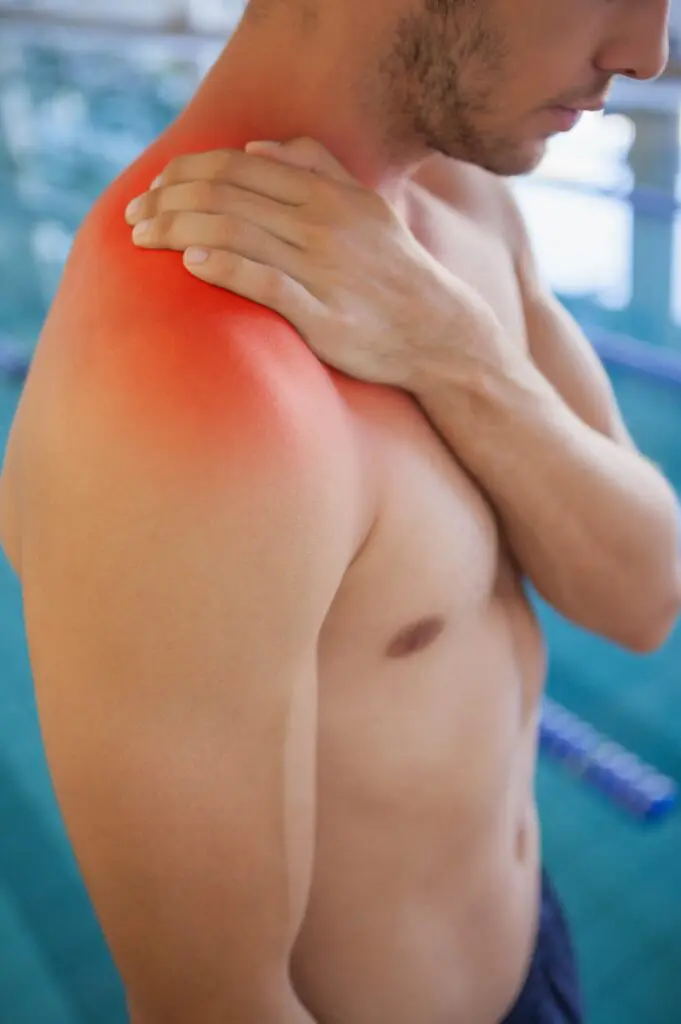
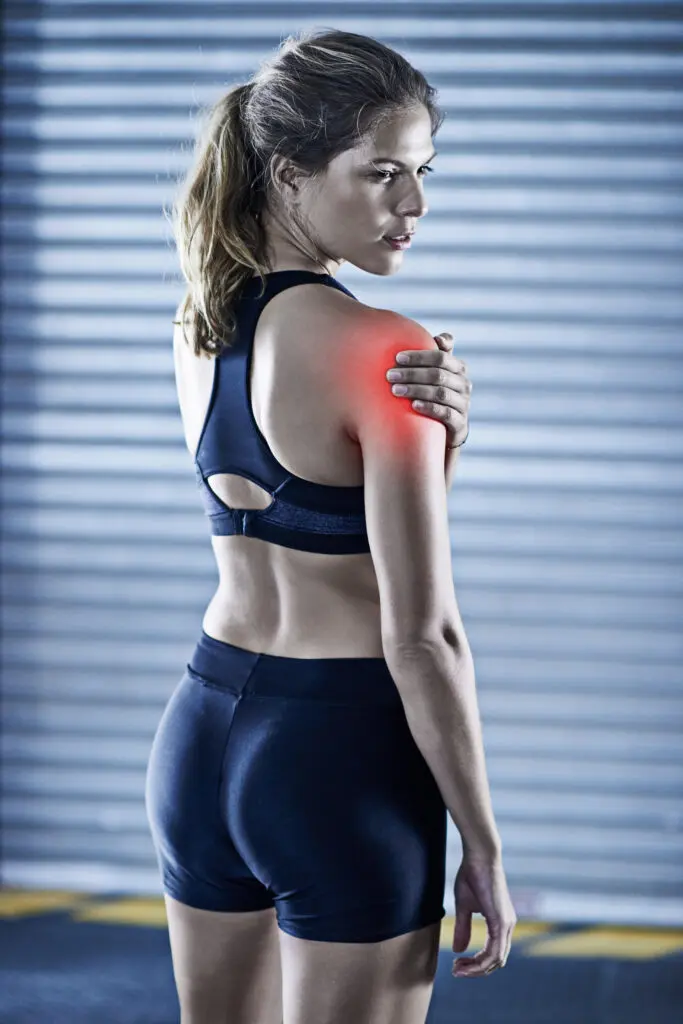
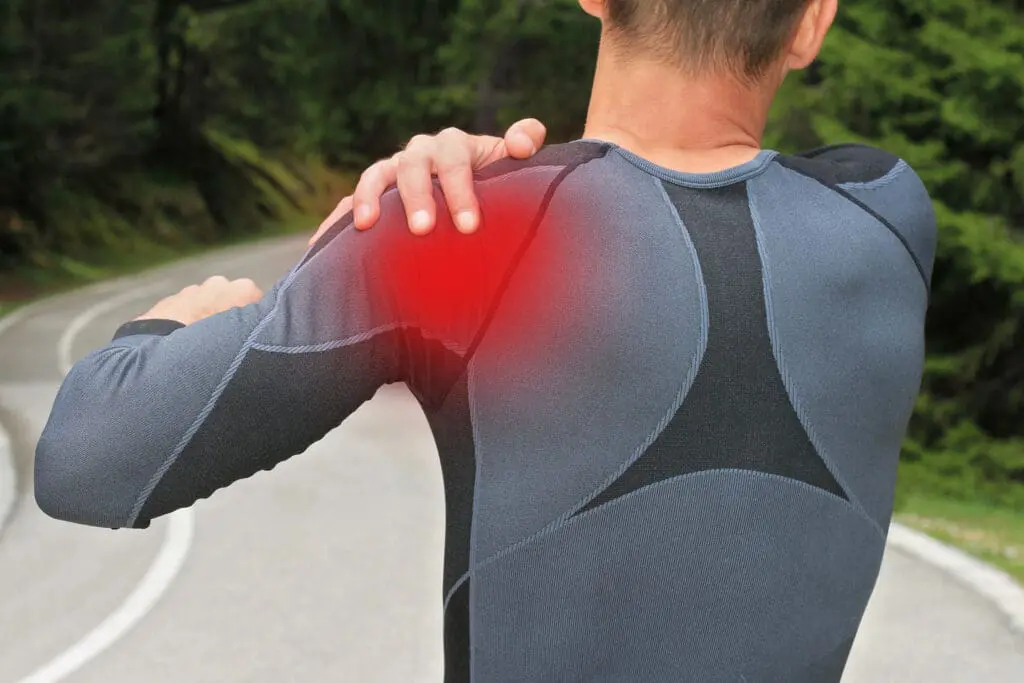
A torn shoulder labrum can make everyday movements difficult. Reaching overhead, lifting objects, or participating in sports may become uncomfortable when the shoulder loses stability.

At QC Kinetix®, we offer regenerative medicine options designed to target the source of shoulder discomfort and support improved function without surgery. Our non-surgical treatments use natural biologics and minimally invasive techniques to help patients reduce pain and improve mobility.

Many patients researching shoulder labrum tear treatment want to understand their options before committing to an operating room. Below, we cover what a labral tear is, the different tear types, and what non-surgical treatment at QC Kinetix involves.

What Is A Torn Shoulder Labrum?

The shoulder labrum is a ring of cartilage that surrounds the socket of the shoulder joint. It helps keep the joint stable while allowing a wide range of motion. According to the American Academy of Orthopaedic Surgeons, the labrum deepens the shoulder socket by up to 50 percent, which is a significant part of what holds the joint stable during movement.

A torn labrum can occur due to:

When the labrum is damaged, it can affect shoulder stability and lead to chronic pain.

Types of Shoulder Labral Tears

Not all labral tears are the same, and the type of tear affects which treatment options may be appropriate. The American Academy of Orthopaedic Surgeons classifies labral tears by where they occur on the socket rim.

SLAP tears affect the superior, or top, portion of the labrum, where the biceps tendon attaches. The name stands for “superior labrum, anterior to posterior.” According to AAOS guidance on SLAP tears, these are common in people who perform repetitive overhead movements, including throwing athletes, swimmers, and those in overhead trade work. Clinically, StatPearls describes SLAP tears as occurring between the 10 o’clock and 2 o’clock positions on the glenoid. Symptoms often include deep shoulder pain and a catching sensation during overhead motion.

Bankart tears affect the anterior, or lower front, portion of the labrum. AAOS notes these typically follow an anterior shoulder dislocation. They are more common in younger, active patients and often present as ongoing instability or a sense that the shoulder may give out.

Posterior labral tears affect the back of the labrum and are less common. AAOS notes these can result from injury, but may also develop from normal wear on the shoulder, including changes associated with osteoarthritis pain.

Degenerative tears develop gradually from age-related wear rather than a single injury. AAOS reports that many SLAP tears in particular are the result of the labrum wearing down slowly over time, and that this pattern becomes more common in patients over 30 to 40 years of age.

Tears are also described by how much of the labrum is involved. A partial tear leaves some of the structure intact, while a complete tear separates the labrum from the socket rim. Your provider will review imaging and examination findings to determine what type of tear you have and what that means for your options.

Symptoms of a Torn Labrum

A labrum tear may cause a range of symptoms that interfere with daily activities, including:

  • Shoulder pain during movement
  • A feeling of instability or weakness
  • Limited range of motion
  • Difficulty with overhead or rotational movements
  • Clicking, popping, or catching sensations

In some cases, symptoms may worsen over time if the condition is not addressed.

Can a Torn Labrum Heal Without Surgery?

The likelihood of a torn labrum improving without surgery depends on several factors, including the size and severity of the tear.

  • Partial tears may be managed with conservative care and rehabilitation.
  • Complete tears are less likely to improve without additional medical intervention.

This is consistent with published orthopedic guidance. AAOS states that in most cases, the initial treatment for a SLAP injury is non-surgical, with conservative measures typically attempted before an operation is considered.

Some people may manage symptoms without surgery, but ongoing instability or pain can affect long-term shoulder function.

Non-surgical Torn Labrum Treatment at QC Kinetix

At QC Kinetix, we provide regenerative medicine treatments designed to support the body’s natural processes and address musculoskeletal shoulder pain using natural biologics.

These minimally invasive treatments may include options such as platelet-rich plasma (PRP), BMAC, and other orthobiologic treatments, depending on your condition.

PRP for labral tears.

PRP, or platelet-rich plasma, is concentrated from a small sample of your own blood, then delivered to the affected area of the shoulder. Because it uses your own biologic material, PRP is drug-free and minimally invasive. It is often considered for partial tears or for labral discomfort accompanied by surrounding tendon irritation.

BMAC for labral tears

For more involved or longer-standing labral discomfort, BMAC treatment may be considered. BMAC, or bone marrow aspirate concentrate, contains living cells, growth factors, and proteins collected from your own bone marrow, typically from the hip. These may help decrease inflammation and support joint and soft tissue health.

Plasma Protein Concentrate for labral tears

Plasma protein concentrate (PPC) starts with a simple blood draw. Your blood is then processed to concentrate naturally occurring proteins, including A2M (alpha-2-macroglobulin) and IRAP (interleukin-1 receptor antagonist protein). When injected near the hip or shoulder labrum, these components may help calm inflammation and support your body’s natural healing response, which can help with labral tear pain. 

Which option, or combination, is appropriate depends on your tear type, its severity, and your overall health. Individual results vary, and candidacy is determined during your consultation.

Our goal is to help improve shoulder stability, support function, and reduce discomfort without surgery.

Are You a Candidate for Regenerative Shoulder Treatment?

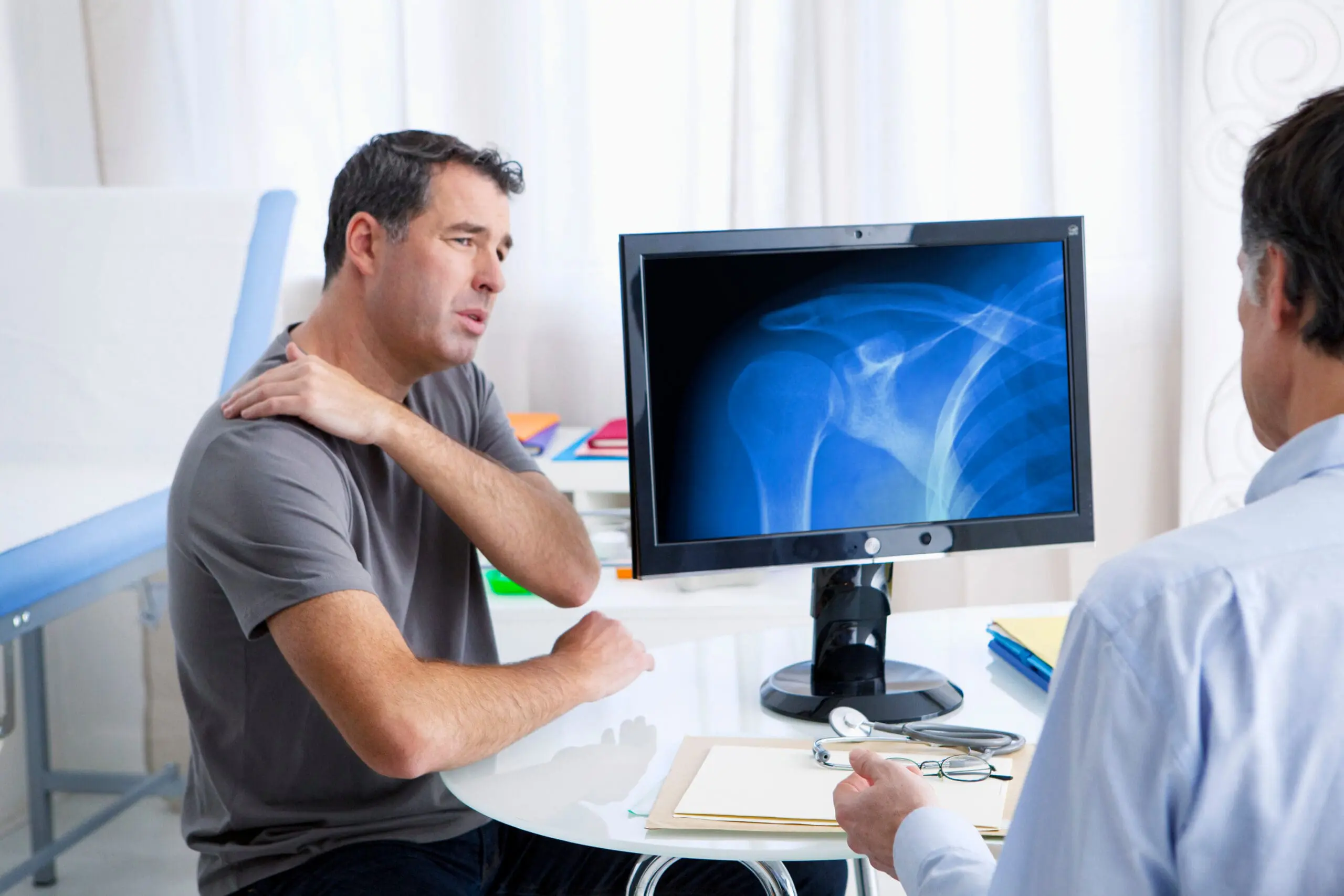
The best way to determine whether you are a candidate is to schedule a free consultation at your local QC Kinetix clinic.

During your visit, our providers will:

  • Review your symptoms

  • Discuss your medical history

  • Evaluate your shoulder function

  • Explain your non-surgical treatment options

You may be a good candidate if you:

  • Have ongoing shoulder pain or instability

  • Have a labrum tear affecting daily activities or sports

  • Want to avoid shoulder surgery

  • Have not found sufficient improvement with conservative care

  • Desire a non-surgical treatment option

Benefits of

Non-surgical Shoulder Treatments

Regenerative treatments offer a non-surgical alternative for people seeking relief from shoulder pain without the hospital stay or extended recovery that comes with surgery.

Less Invasive

Treatments are performed using minimally invasive techniques in an outpatient setting.

No Hospital Stay

Patients return home the same day.

Personalized Care

Treatment plans are tailored to each patient’s condition and goals.

Improved Function

The goal of treatment is to support better shoulder movement and help you return to daily activities.

Frequently Asked Questions

Some partial tears may improve with conservative care, while more severe tears may require additional medical evaluation.

If a torn labrum is not treated, chronic pain, range of motion limitation, and shoulder instability may continue or worsen over time.

Non-surgical treatment options for a torn labrum may include physical therapy, activity modification, medications, injections, and regenerative medicine treatments.

Recovery timelines vary depending on the severity of the labrum tear and the individual’s response to treatment.

A SLAP tear affects the top of the labrum where the biceps tendon attaches and is common with repetitive overhead movement. A Bankart tear affects the lower front of the labrum and typically follows a shoulder dislocation. The location of the tear influences which treatment options may be appropriate.

Neither is universally better, as they suit different situations. PRP is often considered for partial tears or accompanying tendon irritation, while BMAC may be considered where there is more advanced degeneration. Some treatment plans combine both. Your provider will determine what fits your case during your consultation.

Age alone does not determine candidacy. Tear type, severity, overall joint health, activity goals, and general health all factor in. Both younger patients with injury-related tears and older patients with degenerative tears may be evaluated for non-surgical options.

Cost depends on the treatment plan recommended for your specific condition, which is determined during your complimentary consultation. Regenerative treatments are typically out-of-pocket, and payment plans are available. Bring any insurance or HSA/FSA questions to your consultation for a clear answer.

Ready to explore your options for torn labrum shoulder pain without surgery?

Book a Consultation at your local QC Kinetix clinic today to learn more about non-surgical treatment options.

Success Stories

Medical Disclaimer: This content is for informational purposes only and is not a substitute for professional medical advice. Individual results vary. Regenerative treatments have contraindications, including pregnancy, active cancer, immunocompromise, undergoing chemotherapy or radiation, dialysis, and total joint replacement.

Secret Link