

A day on the slopes should end with a warm drink around the fireplace with friends, not hours of knee pain after skiing. For many, the discomfort that comes with a day of skiing makes them wonder whether the enjoyment is worth the consequences.
Knee pain after skiing often shows up on the inner knee, along the outer knee and shin, or behind the joint, either with or without swelling. Carving, moguls, and variable terrain put repetitive impact and twisting forces on your knees; knee injuries are among the most common problems skiers face, according to the American Academy of Orthopaedic Surgeons.
At QC Kinetix, we help active adults explore non-surgical knee pain treatment options designed to decrease pain and restore function so you can spend more of the season on the mountain.

Here is a quick overview:
Your consultation is the first step toward a plan built around your goals.
Skiing combines repetitive impact, twisting, and sustained muscle tension, so discomfort can show up in different ways depending on the cause. Common patterns include:
Pinpointing the pain location helps our medical team determine which non-surgical option may be worth exploring for you.

Treatment for skiing-related knee pain doesn’t have to mean surgery. For skiers looking for alternatives, QC Kinetix offers regenerative medicine treatments designed to support joint comfort and function. Each is performed on an outpatient basis, with no hospital stay and no general anesthesia.
Platelet-rich plasma (PRP) uses concentrated platelets collected from your own blood. These platelets are introduced into the affected knee joint because they have many different growth factors which support your body’s natural healing response. A PRP knee treatment may help reduce discomfort and improve function.
PRP is minimally invasive, requires no surgical incisions, and typically involves minimal downtime. Some patients notice changes within weeks, with more meaningful improvement over three to six months.
Bone marrow aspirate concentrate (BMAC) is a cellular therapy that includes living cells, growth factors, and important proteins collected from your own bone marrow. A BMAC knee treatment is designed to support joint and soft tissue health and may help decrease inflammation.
Plasma protein concentrate uses naturally occurring proteins collected from your own blood. Once concentrated, these proteins are introduced into the knee to help decrease pain, reduce joint inflammation and support a healthier joint environment. Plasma protein concentrate treatment is a same-day, outpatient option.
Our regenerative health providers don’t take a one-size-fits-all approach. Depending on your evaluation, your plan may include one of these options or a combination, chosen to suit the location and nature of your knee pain.

You shouldn’t have to watch your friends head up the lift without you. Before committing to surgery, many patients explore non-surgical options to manage knee pain so they can continue enjoying the activities they love. Because our treatments are outpatient, there’s no hospital stay, and downtime is generally lower than with surgery. That’s why many Colorado skiers rely on our ski-related knee pain treatment in Denver to keep them on the slopes.
That said, non-surgical care isn’t right for everyone, and surgery may still be necessary in some severe cases. Curious whether you may be a candidate? Request a free consultation.
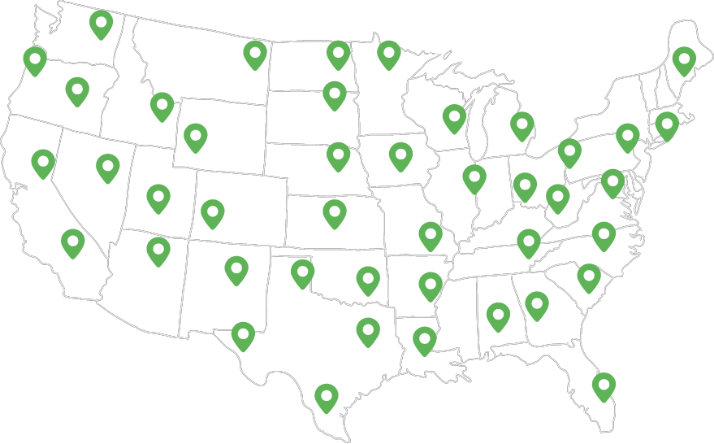
QC Kinetix serves patients throughout 30+ states with professional clinics offering cellular therapy near you. No need to travel internationally, we continue to expand locations where cellular therapy is needed most.
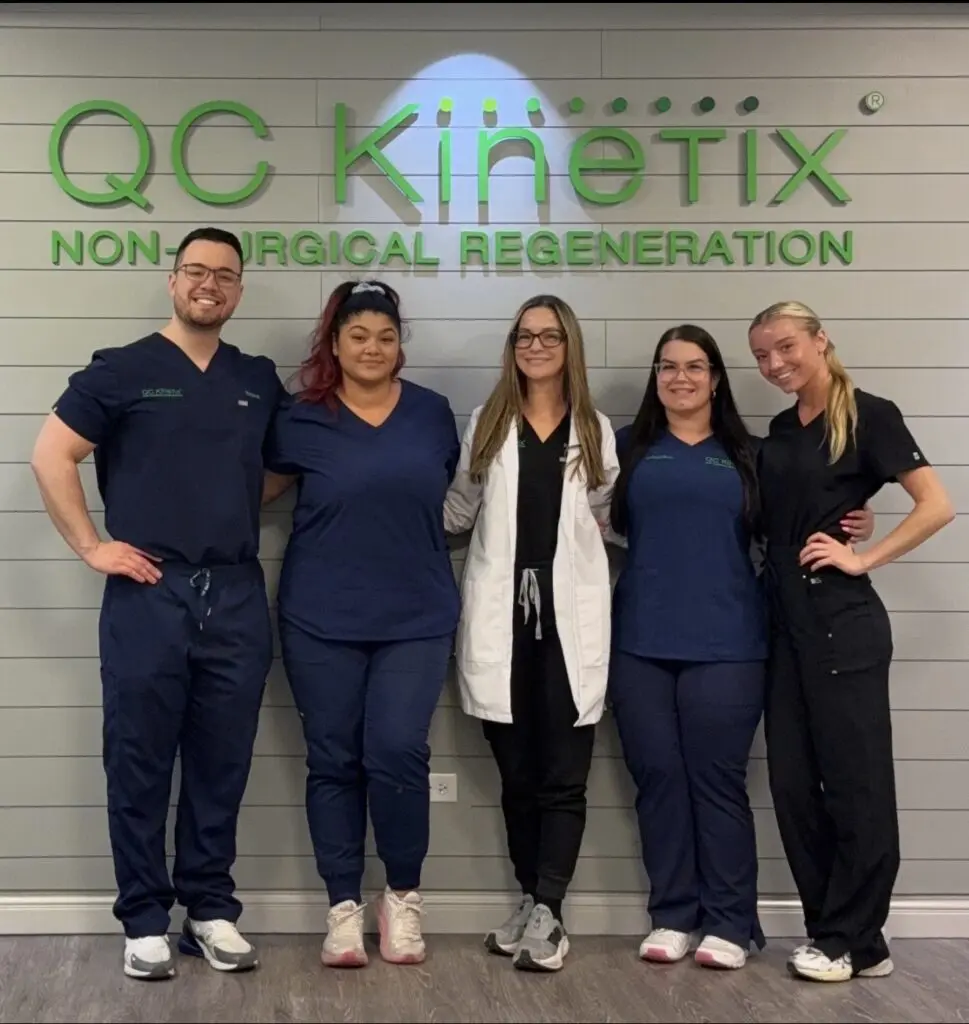
Skiers come to QC Kinetix to stay active without the lengthy recovery that often follows surgery. Here’s what sets us apart:
Our team is here to help you prepare for the season ahead.
PRP may help reduce discomfort and improve function for some skiers with knee pain. Because it uses your own platelets, many active adults consider it before more invasive options.
Mild soreness after a ski day often eases with rest. If pain lingers, returns every trip, or starts limiting your time on the slopes, it’s worth having a medical provider evaluate your knee and discuss non-surgical options.
Not necessarily, but it’s worth paying attention. Pain without swelling can still reflect meaningful strain, especially if it doesn’t improve after a day or two. If you notice sudden swelling, a knee that feels unstable, or pain after a fall, seek prompt medical attention.
Yes. QC Kinetix offers PRP, BMAC, and plasma protein concentrate, all using biologic material collected from your own body.
An evaluation is the only way to know for sure. Our treatments may not be appropriate if you:
Your provider will review your health history during your free consultation.
Knee pain after skiing doesn’t have to keep you from the activities you love. Explore non-surgical options at QC Kinetix and find out whether our approach may help you keep skiing.
Medical Disclaimer: The information on this page is for educational purposes only and is not intended as medical advice. QC Kinetix treatments are not appropriate for everyone, and individual results vary. Consult a qualified healthcare provider about your specific situation.
"(Required)" indicates required fields