Menopause Joint Pain: Natural, Nonsurgical Relief Options

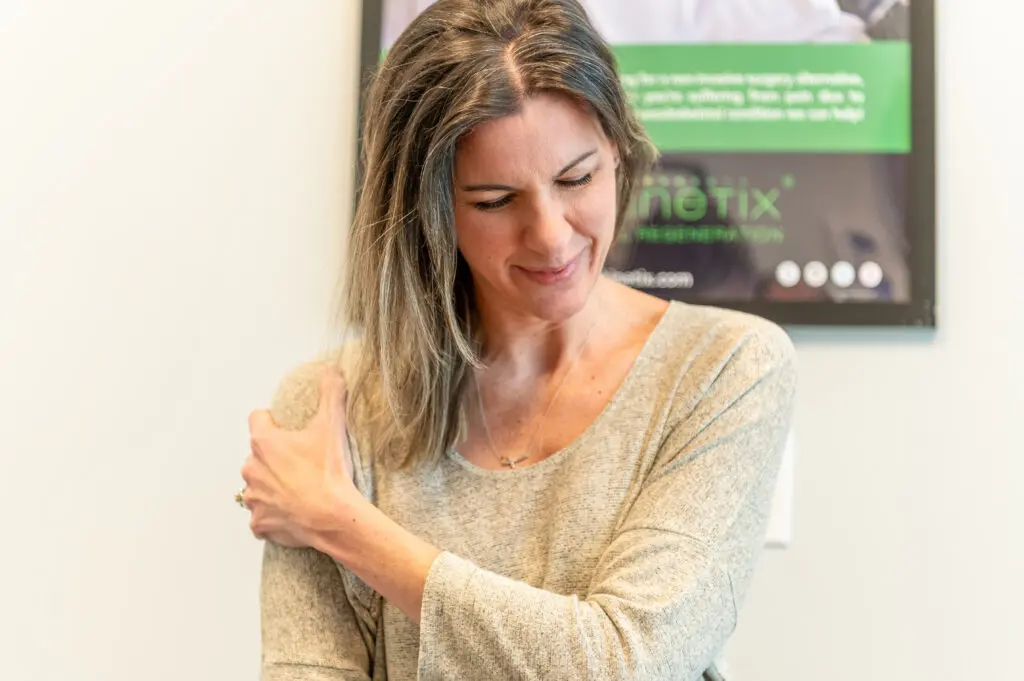
The journey through perimenopause and menopause brings many changes, but one of the most unexpected and disruptive can be joint pain. If you’re a woman in this stage of life who has started experiencing new or worsening discomfort in your knees, hips, or hands, you are not alone. This is a common symptom stemming from the natural hormonal shifts in your body. While it can be frustrating, you don’t have to let it dictate your life or resort to invasive procedures.

At QC Kinetix, we understand the unique challenges of menopause joint pain. We offer advanced regenerative treatments that work with your body’s own restorative capabilities. Our nonsurgical, drug-free approach is designed to reduce discomfort, improve joint function, and help you get back to living with greater ease and mobility.

Can Menopause Cause Joint Pain?

Yes, the link between menopause and joint pain is well-established. The key factor is the fluctuation and decline of estrogen, a hormone that plays a crucial role in maintaining joint health.

Estrogen has natural anti-inflammatory properties and helps regulate fluid levels in your connective tissues, keeping cartilage cushioned and resilient. As your estrogen levels drop during perimenopause and menopause, this protective effect diminishes. The result can be increased inflammation, stiffness, and discomfort, often felt most acutely in the knees, hips, shoulders, hands, and wrists.

Common Symptoms of Menopause-Related Joint Pain

If you are experiencing joint pain related to hormonal changes, you might recognize some of these common symptoms:

  • Morning stiffness and a feeling of tightness in the joints
  • Swelling or warmth around affected joints
  • Aching and discomfort that worsen after physical activity
  • Persistent pain in the knees, hands, shoulders, or hips
  • Reduced range of motion or decreased flexibility

Why Hormonal Changes Impact Joint Health

The decline in estrogen has a multifaceted effect on your musculoskeletal system. Estrogen is vital for collagen production—the primary protein that gives cartilage its strength and elasticity. When estrogen levels fall, collagen production slows, potentially making your joints less cushioned and more susceptible to wear and tear.

This hormonal shift can also heighten your body’s perception of pain and increase its inflammatory response. Combined with lifestyle factors such as stress, diet, and changes in activity levels, these internal changes can create a perfect storm for persistent joint discomfort.

Regenerative Treatment Options for Menopause Joint Pain

At QC Kinetix, we offer a modern approach to managing menopause joint pain. Our regenerative treatments provide a nonhormonal, nonsurgical, and drug-free option for those seeking natural pain relief. We leverage orthobiologic treatments designed to support your body’s inherent ability to revitalize and improve damaged tissues.

Our multi-faceted treatment protocols are customized to your specific needs and may include:

  • Stem Cell Treatment: As a key part of our orthobiologic offerings, stem cell treatment utilizes the body’s foundational components to support its natural recovery processes. This treatment is designed to reduce inflammation and improve the existing joint environment, which can lead to decreased pain and enhanced function.
  • Platelet-Rich Plasma (PRP) Treatments: This process uses a concentration of growth factors from your own blood to encourage your body’s natural recovery processes in the affected area.

These treatments are designed to address the source of your discomfort, not just mask the symptoms. By providing support for your body’s recovery mechanisms, we aim to improve joint function and your overall quality of life. Explore our various joint pain treatments to learn more.

Frequently Asked Questions About Menopause Joint Pain

Does menopause cause joint pain?

Yes, the hormonal changes associated with menopause, particularly estrogen decline, can directly contribute to joint pain, stiffness, and inflammation.

The “best” treatment is one that aligns with your health goals and condition. For individuals seeking to avoid surgery and pain medications, regenerative medicine offers a compelling option. It focuses on supporting your body’s natural processes to improve joint health.

The duration varies for each individual. For some, it may be a temporary symptom during the transition, while for others, it can persist post-menopause.


Regenerative treatments are minimally invasive and use your body’s own components. Our medical team will conduct a thorough consultation to determine if you are a candidate. These treatments are not suitable for individuals with certain medical conditions, such as an active cancer diagnosis, compromised immune systems, or those who may be pregnant.

While hormonal changes are inevitable, you can take steps to support your joint health through a balanced diet, regular low-impact exercise, and stress management, which may help lessen the severity of your symptoms.

While some individuals find their symptoms lessen over time, many experience ongoing discomfort. Proactive treatments can help manage pain and improve function, allowing you to maintain an active lifestyle.

How QC Kinetix Approaches Menopause Joint Pain Treatment

Your journey to relief starts with a personal, in-depth consultation. Our medical team takes the time to understand your symptoms, lifestyle, and goals to create a customized treatment plan. We are not a pain management clinic; our focus is on improving musculoskeletal function and enhancing your quality of life through natural, restorative methods.

Our regenerative health providers are board-certified in fields like sports medicine and orthopedics, bringing a wealth of experience to your care. With QC Kinetix locations nationwide, accessible and innovative joint pain treatment is closer than you think.

Don’t let menopause joint pain hold you back. Schedule your free consultation today to find out if our nonsurgical treatments are right for you.

Success Stories

Contact Us

"(Required)" indicates required fields

This field is for validation purposes and should be left unchanged.
Chosen Location
Secret Link