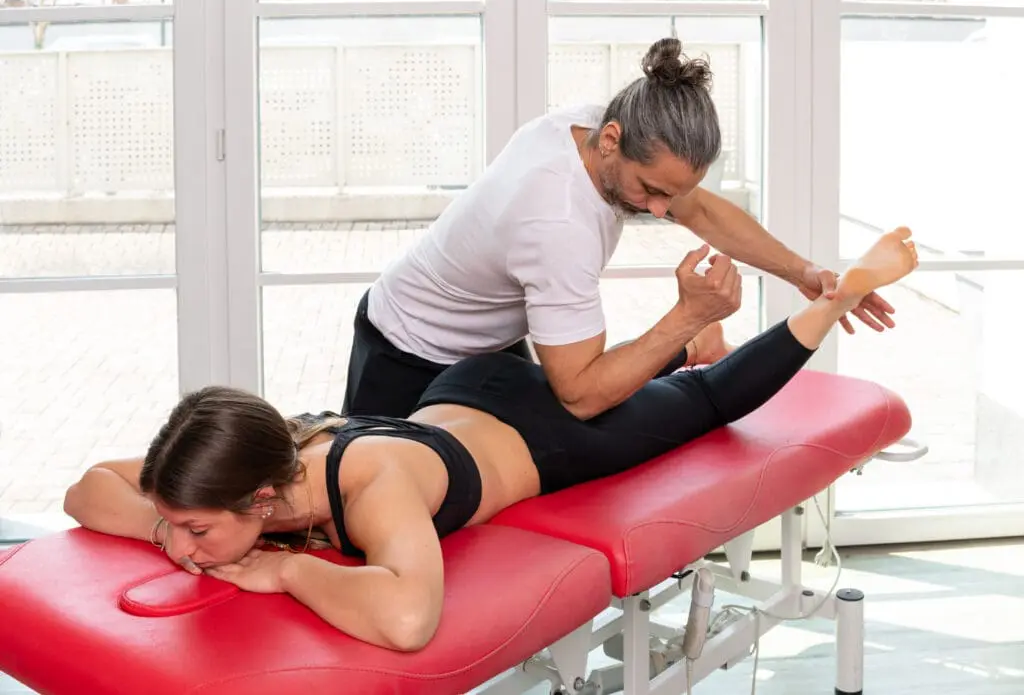
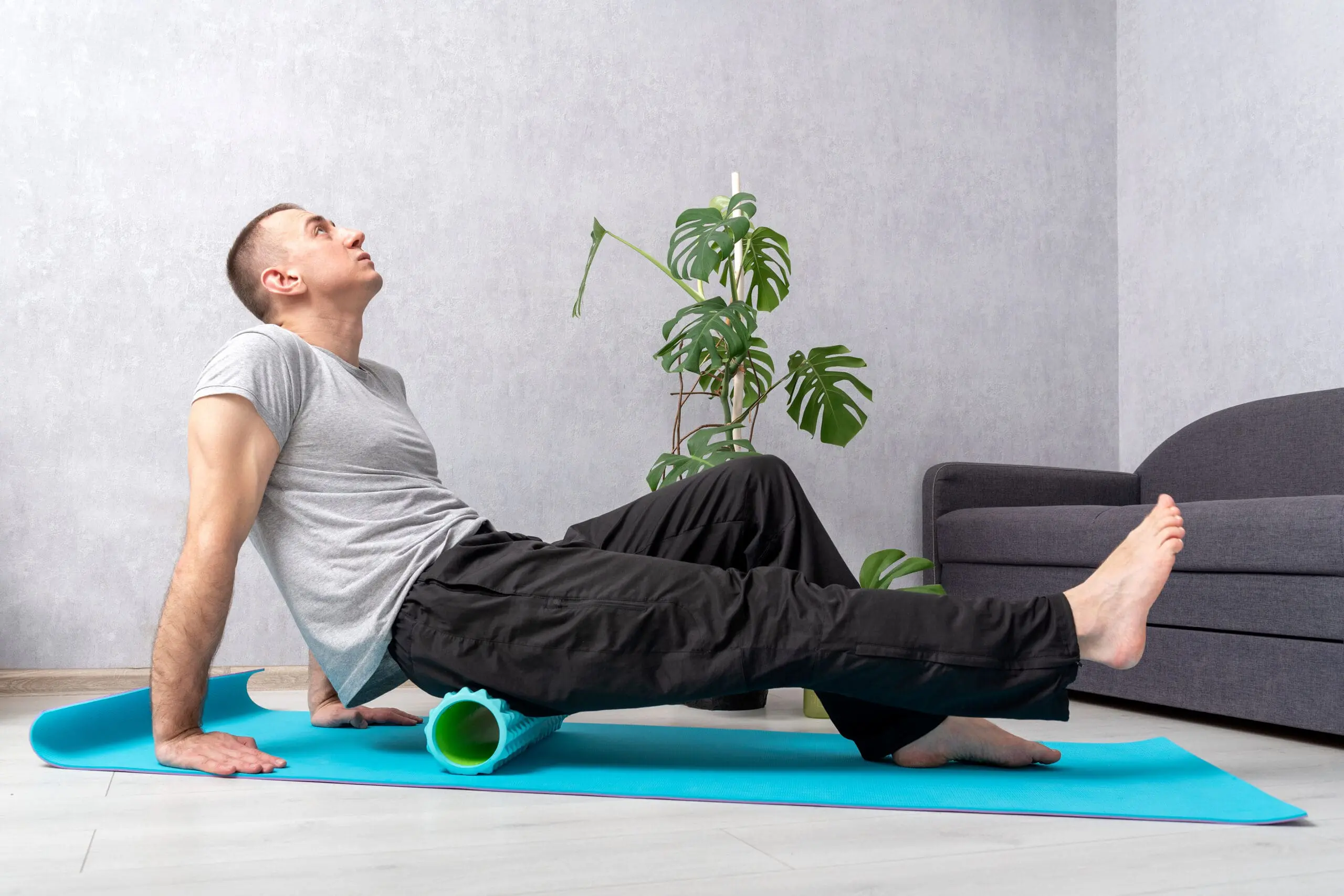
If you experience pain in your upper leg or glute area, you may be dealing with gluteal tendinopathy. This condition is common in women over 40, particularly those who are post-menopausal, but it can also affect younger, physically active individuals such as runners, skiers, and dancers. People with lower back pain may also be more susceptible.
Gluteal tendinopathy involves degeneration of the collagen protein that forms the tendon. It is different from tendonitis, which refers to inflammation of the tendon.
At QC Kinetix®, we provide regenerative medicine options designed to target the source of hip and glute discomfort and support improved mobility without surgery.
Gluteal tendinopathy affects the tendons of the buttock muscles – including the gluteus maximus, medius, and minimus – which run from the hipbone to the thighbone. When these tendons deteriorate, pain and swelling can develop in the hip, buttock, or upper leg and may extend toward the knee.
Symptoms may include:
Chronic discomfort from gluteal tendinopathy can significantly affect your quality of life and limit daily activities.
Traditional recommendations may include rest, activity modification, physical therapy, cortisone injections, or in rare cases, surgery if a tendon rupture occurs.
Regenerative medicine offers a nonsurgical alternative designed to support your body’s natural processes and improve hip function.
This condition can develop from:
Pain is often noticeable when:
Identifying contributing factors is an important part of determining the most appropriate treatment plan.
The best way to determine whether you are a candidate is to schedule a free consultation at your local QC Kinetix clinic.
During your visit, our medical providers will:
You may be a good candidate if:
Regenerative treatments offer the potential benefits of surgery without the hospital stay, extended downtime, or surgical risks.
Procedures are performed in an outpatient setting without general anesthesia.
You return home the same day.
Your care is customized to your specific condition, symptoms, and mobility goals.
Our treatments are designed to support better hip stability and help you move with greater comfort.
While seeking medical evaluation is important, certain adjustments may help reduce strain on the hip, including:
These strategies may help reduce irritation while you explore your treatment options.
Schedule your free consultation at your local QC Kinetix clinic today. Bring your medical records and questions so we can help you determine whether regenerative medicine is right for you.