

Does your shoulder ache after a long lesson working on your serve? Maybe your wrist or elbow flares up halfway through a doubles match, or pain has started cutting your court time short. Tennis asks a lot of the upper body, and those demands add up over seasons of play.
Every serve, overhead, and backhand sends force through your arm, while your grip absorbs the impact of each shot through the racquet. For players who log a lot of court time, that repetition rarely lets up.
At QC Kinetix, we offer tennis-related pain treatment in Denver without surgery. Our goal is to help you feel more comfortable so you can keep competing, whether that means weekly league matches or a standing Saturday game with friends.
Request a consultation to see whether our approach is right for you.

Most tennis pain develops gradually rather than from a single bad shot. Discomfort often builds over weeks or months of steady play, and it tends to show up in a few predictable places:
It’s also common to feel more than one problem at a time. Players dealing with tennis elbow and shoulder pain together may notice that favoring one joint strains the other.
Denver’s active tennis scene gives players access to indoor and outdoor courts year-round, and many fill their weeks with lessons, clinics, and league matches. That steady schedule is great for your game, but it can accelerate overuse when your body gets little downtime between sessions.
If you’d like alternatives to consider before choosing surgery, QC Kinetix offers non-surgical biologic treatments designed to support joint comfort and function. These are outpatient treatments, which means no hospital stay and no general anesthesia. Our team builds each plan around your symptoms, activity level, and goals.

Platelet-rich plasma (PRP) uses concentrated platelets from a small sample of your own blood. These platelets contain growth factors that play a key role in your body’s natural recovery systems, whether in your shoulder, elbow, or wrist.
The procedure is minimally invasive, with no surgical incisions and little recovery time. Some patients notice changes within a few weeks, while more meaningful improvement often develops over three to six months.
Bone marrow aspirate concentrate (BMAC) uses a broader mix of cells and growth factors collected from your own bone marrow. It’s a form of cellular therapy designed to support the body’s natural processes in areas of discomfort. BMAC is often considered when a patient needs more comprehensive joint support. Like our other options, BMAC is done during an office visit and tailored to you.
Plasma protein concentrate is a same-day, outpatient option that uses proteins concentrated from your own blood plasma. The naturally occurring proteins in it, including A2M and IRAP, help support the body’s response to joint pain. Depending on the source and pattern of your pain, our team may use plasma protein concentrate on its own or combine it with PRP or BMAC as part of your plan.
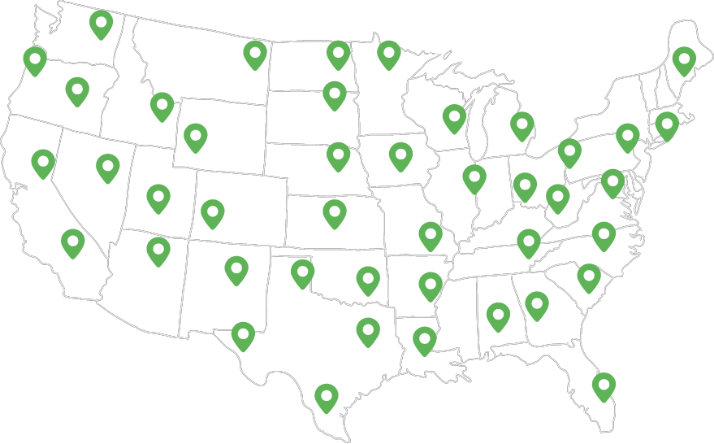
QC Kinetix serves patients throughout 30+ states with professional clinics offering cellular therapy near you. No need to travel internationally, we continue to expand locations where cellular therapy is needed most.
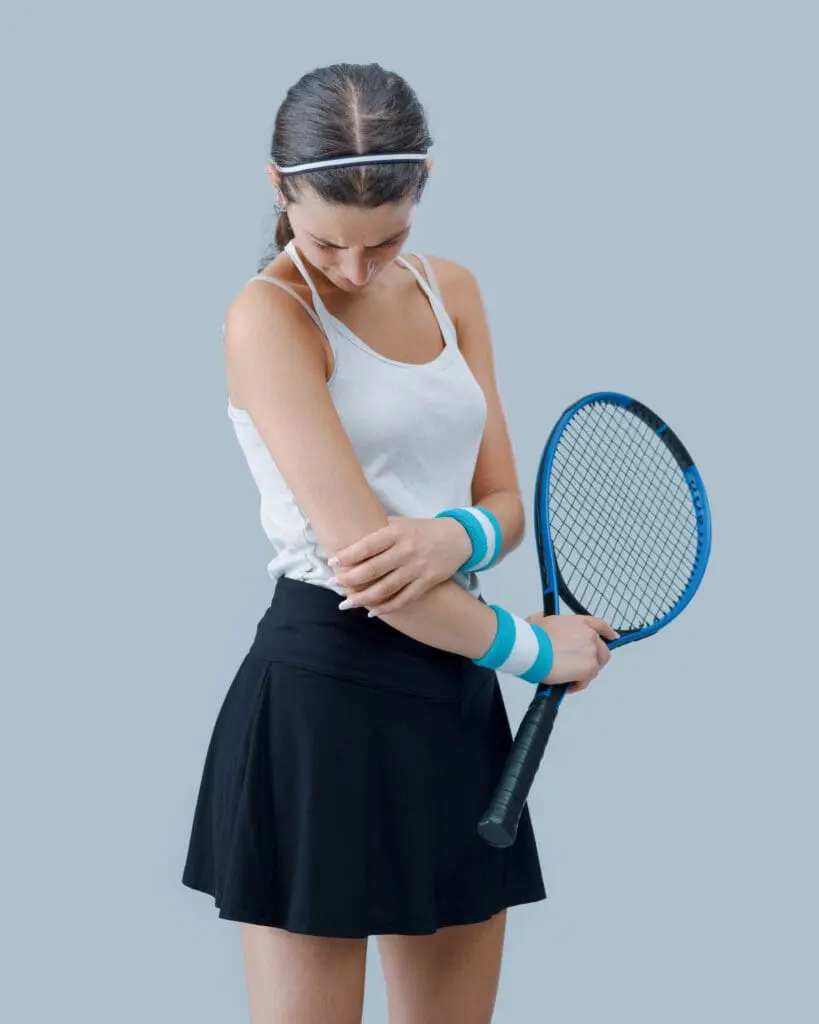
Before committing to surgery, some Denver tennis players explore non-surgical options to manage pain and stay in the game. Whether you play in a league, compete in club tournaments, or plan to keep swinging a racquet well into your 50s, 60s, and beyond, staying active matters.
Because care happens during an office visit, you go home the same day. Downtime is typically shorter than surgery, so you spend less time away from your daily routine.
Surgery may still be necessary in severe cases, such as a complete tendon tear. When a non-surgical path is a reasonable fit, though, many patients choose regenerative care over surgery as a first step. Individual results vary. Our providers will tell you plainly which path makes sense for you.
Curious whether you may be a candidate for non-surgical treatment? For tennis injuries that keep you uncomfortable or off the court, talking with our team is a smart first step. Request a consultation to get started.

Tennis players and other active adults across the Front Range come to us for care that fits their lives:
You can visit our Denver locations in Aurora, Highlands Ranch, and Louisville/Superior. We also see players from nearby Boulder and Broomfield, and we offer additional care in Colorado Springs.
PRP may help with tennis shoulder pain for some players. It uses concentrated platelets from your own blood and is designed to support the body’s natural healing response in the shoulder. QC Kinetix offers PRP in Denver, Colorado, as an outpatient option with minimal downtime. Individual results vary, and a consultation can help determine whether PRP is right for you.
Regenerative medicine may help with tennis elbow pain. If you’re looking for tennis elbow pain treatment without surgery, options like PRP can support the body’s natural processes in the tendons on the outside of the elbow. This may help reduce discomfort and make gripping more comfortable. Your provider will recommend a plan based on your symptoms and how often you play.
Most insurance plans don’t cover regenerative medicine treatments like PRP and BMAC. During your consultation, our team can explain costs and walk you through available payment options.
It’s worth getting checked if pain lasts more than a few weeks, keeps coming back after matches, or changes how you swing the racquet. Seek prompt medical care for sudden, severe pain, major swelling, numbness, or trouble moving the joint. Addressing discomfort early can give you more options for managing it.
Many active adults with ongoing joint or soft tissue pain may be candidates. You may be a good fit if you have shoulder, elbow, or wrist pain that hasn’t improved with rest or other conservative care, want to explore options before surgery, and are in generally good health. Regenerative treatments may not be appropriate if you are pregnant, have active cancer, are immunocompromised, are undergoing chemotherapy or radiation, are on dialysis, or have had a total joint replacement.
A consultation with one of our highly trained doctors is the best way to find out.
Tennis-related pain doesn’t have to mean sitting out. If playing has started to feel more painful than fun, our team at QC Kinetix Denver can help you look at options that don’t involve surgery. We’ll hear your concerns and help you decide on next steps.
Medical disclaimer: This content is for informational purposes only and is not a substitute for professional medical advice, diagnosis, or treatment. Talk with a qualified healthcare provider about your specific condition.
"(Required)" indicates required fields