

If knee pain during or after your rides is forcing you to cut distance, ease off the climbs, or skip the saddle altogether, you’re not alone. Cycling is low-impact compared to running, but it’s highly repetitive — thousands of pedal strokes in a single ride can place sustained demand on the knee, and often the hip as well.
For many Denver-area riders, what starts as occasional soreness becomes a recurring issue that gets harder to ignore each season.
At QC Kinetix Denver, we help active cyclists like you explore nonsurgical regenerative medicine treatment options designed to support joint comfort and function — so you can focus on getting back to the rides you love, from Front Range road routes to weekend gravel and mountain trails.
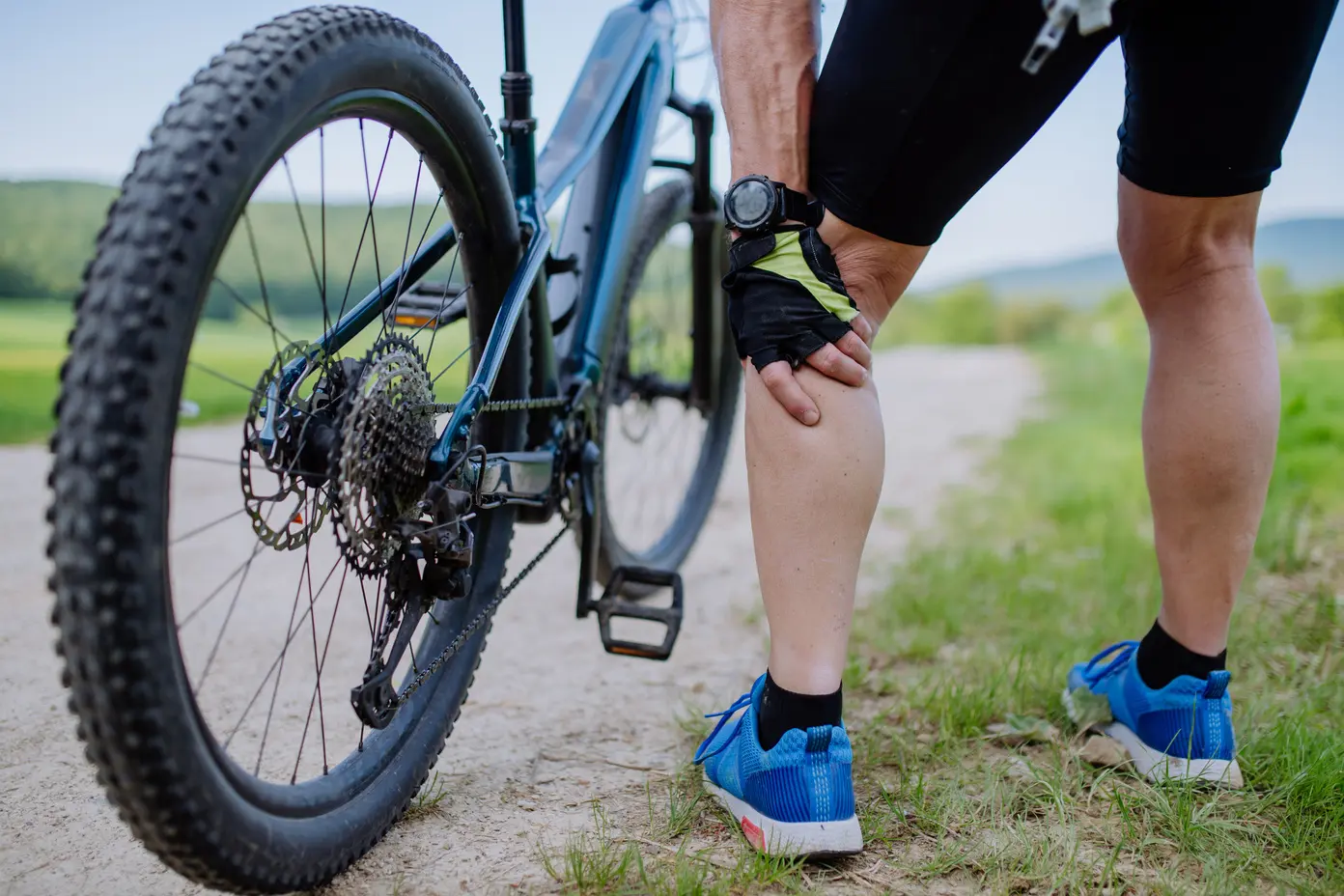
Cycling may be gentler on the joints than high-impact sports, but the repetition adds up. Sustained pedaling, steep climbs, high cadence, and small bike-fit issues can place an ongoing load on the knee and hip over the course of a season.
Denver-area cyclists commonly report:
Colorado’s elevation, long climbing routes, and varied terrain, from Lookout Mountain to the Front Range trail system, put sustained demands on the knees and hips that accumulate over a season. Pain that once cleared up with a rest day can become harder to shake as the miles add up.
For cyclists looking for alternatives before committing to surgery, QC Kinetix offers nonsurgical treatments designed to support joint comfort and function. These are outpatient treatments — no hospital stays, no general anesthesia.
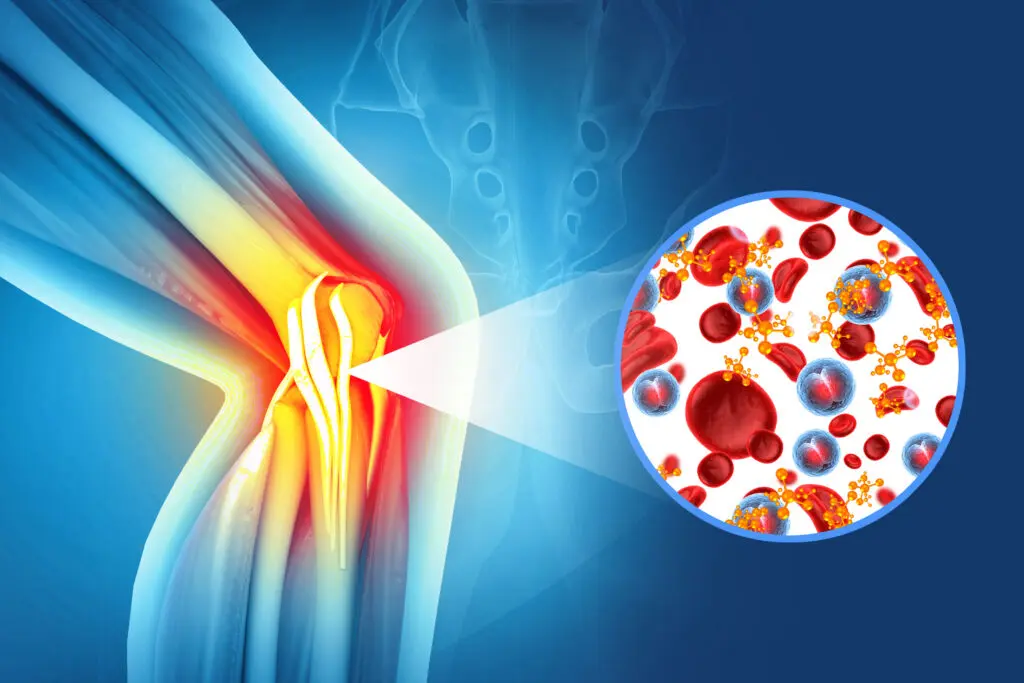
Platelet-rich plasma (PRP) treatment uses concentrated platelets collected from your own blood. Designed to support the body’s natural healing response, the platelets are prepared and administered to the affected knee or hip, where they may help reduce discomfort and improve joint function.
Some patients begin to notice early changes within a few weeks of treatment. More meaningful improvement is typically reported over the following months, with most patients experiencing the full benefit within 3–6 months.
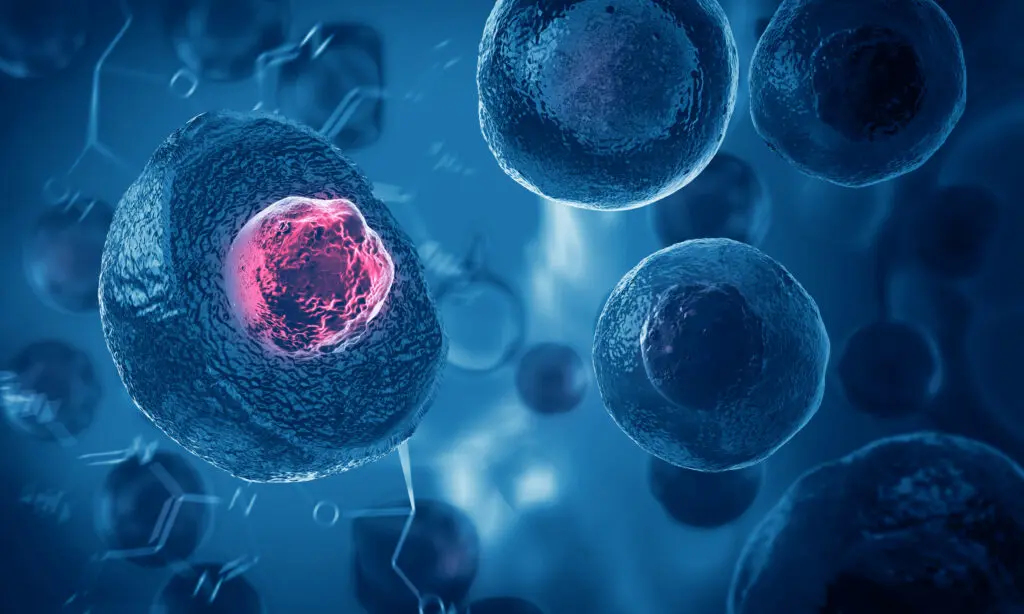
Cellular therapy is another nonsurgical option available at QC Kinetix Denver. This treatment is designed to support the body’s natural processes in the area of discomfort, promoting conditions that may help decrease pain and improve function over time.
Like PRP, cellular therapy is performed on an outpatient basis with no hospital stay. Treatment plans are personalized. What’s appropriate for one rider may not be right for another, depending on individual condition and health history.
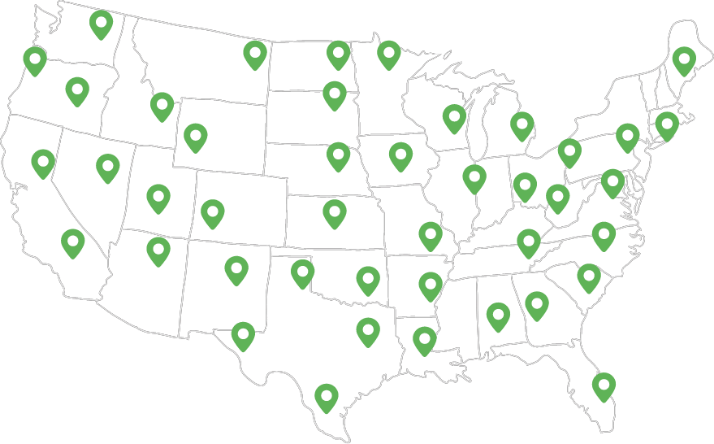
QC Kinetix serves patients throughout 30+ states with professional clinics offering cellular therapy near you. No need to travel internationally, we continue to expand locations where cellular therapy is needed most.
If cycling-related knee pain or hip pain kept you off the bike last season or made every ride uncomfortable, now is a good time to get evaluated. Many treatment plans take several weeks to complete, which means patients who start their evaluation early may have the best opportunity to be ready for their next long ride, event, or training block.
Knee pain is the most common complaint among cyclists, but it rarely travels alone. Many riders also experience hip pain and lower back discomfort from the sustained, forward-leaning position and repetitive pedaling motion. At QC Kinetix, we evaluate the full picture rather than a single joint in isolation, so your treatment plan reflects how your body actually moves on the bike.
We take a patient-first approach. After an initial evaluation, your provider will discuss whether regenerative medicine treatment may be appropriate for your situation and what realistic expectations look like based on your specific condition.
It’s important to note that surgery may still be necessary in cases involving significant structural damage. Our goal is to give you the information you need to make a confident, informed decision. Early evaluation generally means more options.
Curious whether you may be a candidate? Book a Consultation.
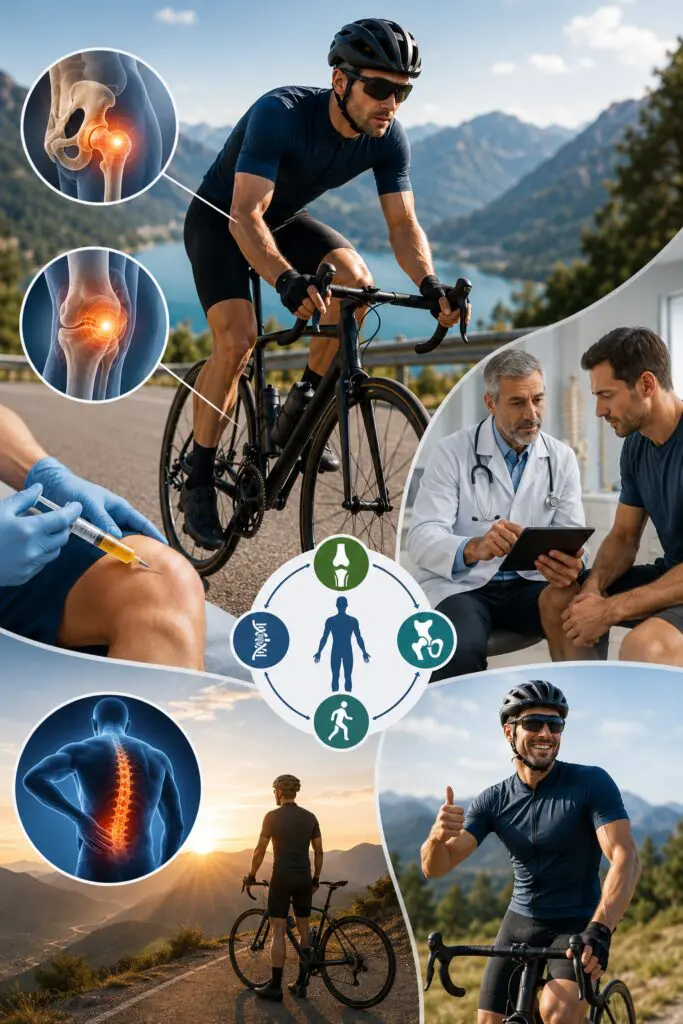

Active Denver residents don’t want to sit on the sidelines, and we understand that. QC Kinetix offers a nonsurgical, drug-free approach to joint and musculoskeletal pain, with treatment plans built around each rider’s individual needs and goals.
Here’s what patients can expect:
Our regenerative health providers work with riders across the Front Range. Our Denver locations serve patients throughout the region, with additional QC Kinetix clinics nearby in Boulder, Broomfield, and Colorado Springs.
Whether you ride weekends or train year-round, we’re here to help you explore your options. Learn more about why patients are choosing regenerative medicine over surgery.
PRP treatment is designed to support the body’s natural healing response in the affected joint and may help reduce discomfort and improve function. It is not a cure, and results are not guaranteed. A consultation with our team will help determine whether PRP may be an appropriate option for your situation. Individual results vary.
Recovery timelines vary by patient and condition. Some cyclists notice early changes within a few weeks, with more meaningful improvement typically reported over a 3–6-month period following treatment. Your provider will walk you through what to expect based on your individual plan. Individual results vary.
QC Kinetix is proud to offer nonsurgical knee pain treatments for cyclists. Our Denver regenerative medicine options, including PRP and cellular therapy, are designed to support joint comfort and function without surgery. These are outpatient treatments with minimal downtime. Candidacy varies by patient, and a consultation is the best first step.
Regenerative medicine treatments are used by active adults across Colorado who experience joint pain from cycling, running, skiing, and other activities. QC Kinetix works with patients to evaluate their pain and explore whether nonsurgical treatment may be appropriate.
If knee pain recurs after rides, limits your distance or intensity, or doesn’t resolve with rest, it’s worth getting evaluated. You don’t need to wait until pain is severe or surgery has been recommended. Earlier evaluation generally means more options.
No insurance is needed for the regenerative medicine treatments at QC Kinetix. Our team will walk you through treatment costs and options during your consultation.
Candidacy depends on your specific condition, health history, and goals. There are contraindications that may make treatment inappropriate, including active cancer, pregnancy, immunocompromise, active chemotherapy or radiation treatment, dialysis, or a prior total joint replacement in the affected area. A consultation is the best way to find out whether you may be a candidate.
Both are nonsurgical treatments that use the body’s own biology to support joint comfort and function. PRP uses concentrated platelets collected from your own blood, while cellular therapy is designed to support the body’s natural processes in the area of discomfort. During your consultation, your provider can explain which option may be better suited to your condition and goals.
Cycling-related knee and hip pain doesn’t have to mean giving up the bike. Before committing to surgery, explore nonsurgical options at QC Kinetix Denver designed to reduce bike knee pain, support joint comfort, and improve function so you can get back to riding. Individual results vary, and a consultation is the best way to learn whether you may be a candidate.
Medical Disclaimer
The information on this page is for general educational purposes only and is not intended as medical advice, diagnosis, or treatment. QC Kinetix does not guarantee any specific outcome; individual results vary. Regenerative medicine treatments may not be appropriate for everyone, and contraindications may apply. Please consult a qualified provider regarding your specific condition.
"(Required)" indicates required fields