Locations > Charleston
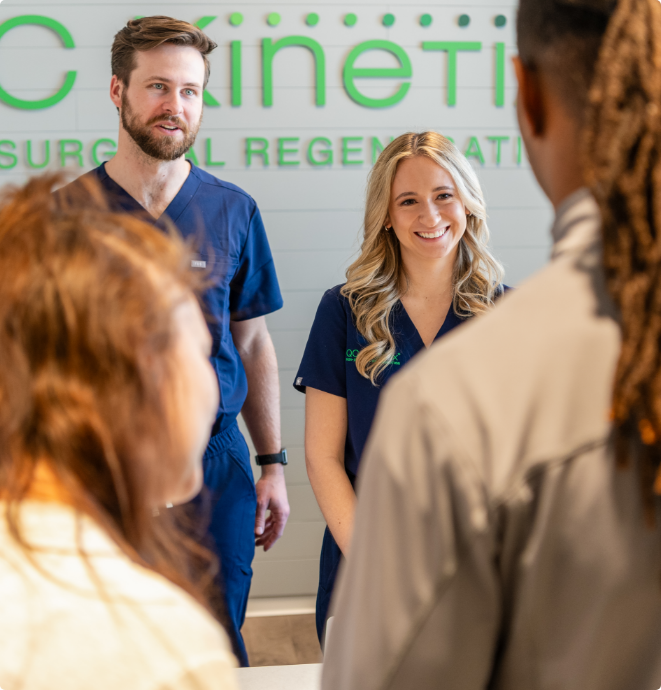
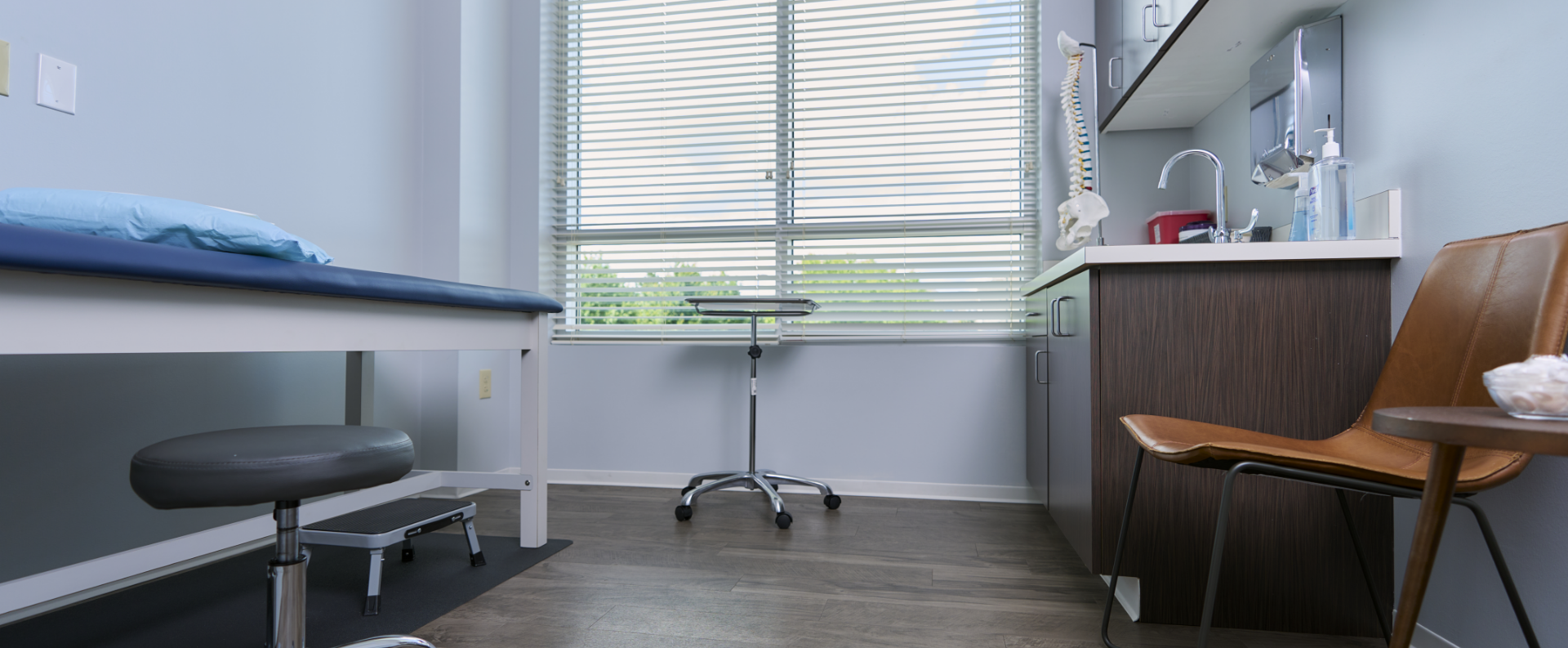
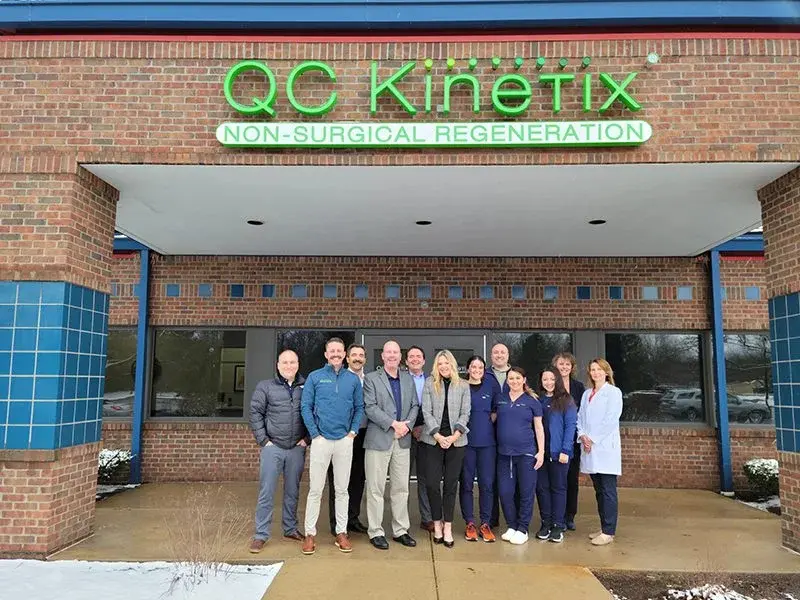
Visit our state-of-the-art clinics in Mount Pleasant or Summerville for advanced, non-surgical Platelet-Rich Plasma therapy.
Mount Pleasant: 13 mins from Downtown Charleston · Summerville: Convenient to North Charleston
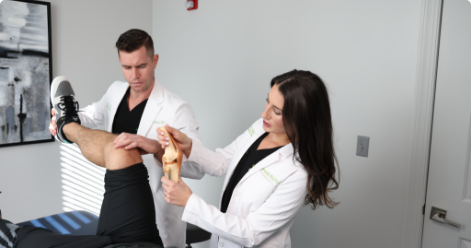
Platelet-Rich Plasma (PRP) treatment is a form of regenerative medicine that uses a patient’s own blood to promote healing. This alternative pain management technique uses orthobiologics components from your body to treat injuries and conditions and reduce discomfort without surgery.
PRP is commonly used in pain management, orthopedics, and sports medicine to address issues like tendon and ligament injuries, as well as osteoarthritis. This form of alternative medicine is frequently utilized as a pain treatment to address chronic joint, back, and shoulder soreness. By stimulating natural healing processes, PRP aims to improve mobility and stimulate tissue revitalization so you can return to your previous daily activities.
Your options at these clinics may be to treat the symptoms of the injury with steroid injections or prescription pain medications. Or to undergo a difficult surgery that comes with risks and requires a lengthy recovery.
Top-Rated PRP Therapy Just a Short Drive Away
Have you been searching for “pain management near me”? While QC Kinetix is not a traditional pain management clinic, we do see many patients who want an alternative to this or a Charleston orthopedic or sport medicine clinic.
Patients come to QC Kinetix for non-invasive treatments that allow them to avoid surgery and strong prescription pain medications.
At QC Kinetix’s Charleston clinics, we offer straightforward, non-invasive PRP treatments.
Struggling with chronic pain or an injury? Schedule a free new patient consultation to find out if PRP therapy could be your solution.
Patients in Charleston often ask about the range of conditions PRP can address. It is commonly used for a variety of orthopedic conditions and sports injuries, including chronic tendon injuries (like tennis elbow or Achilles tendinitis), osteoarthritis in joints like the knees and hips, and muscle or ligament sprains.
This is a common concern. While a local anesthetic is used to numb the injection site, patients may experience some tightness, discomfort, or soreness for a few days after the procedure. This is a normal part of the inflammatory response that helps kickstart the healing process.
PRP treatment initiates a gradual healing process. Many patients report some improvement within 2 to 6 weeks, with a continued reduction in pain and improved function over the course of several months. The full benefits may take 6 to 12 months to become apparent.
The number of treatments required varies depending on the individual patient and the severity of the condition. Many people experience significant relief from a single injection. However, for chronic or more severe conditions, additional injections may be necessary to achieve the desired outcome. Your provider will give you an estimate of the number of treatments during your initial consultation.
While both are forms of orthobiologics that use the body’s own healing substances, they are distinct. PRP therapy uses a concentrated solution of platelets from your blood to deliver growth factors to an injured area. Stem cell treatments use undifferentiated cells to revitalize and restore tissues.
Class IV laser therapy, also known as deep tissue laser therapy, uses specific wavelengths of high-powered light to penetrate deep into the body’s tissues. This process, called photobiomodulation, stimulates cellular activity, increases blood flow, and reduces inflammation and pain. The light energy is absorbed by the cells, which in turn accelerates the production of ATP (adenosine triphosphate), the primary source of energy for cell repair and regeneration. This allows the body to heal itself more efficiently. If you’re searching for “Class IV laser therapy near me,” schedule a free consultation at one of our two Charleston area clinics.

"(Required)" indicates required fields
Live Webinar on Feb 26, 2026 01:00 PM ET (US and Canada)