
At a Glance
Regenerative medicine is a field of care that works with the body’s own recovery mechanisms – using natural, biologic materials like orthobiologics to support damaged tissue rather than masking symptoms with medication or replacing them through surgery.
Treatments are designed to help reduce inflammation and support tissue function at the site of injury. Individual results vary, and response depends on the person and the area treated.
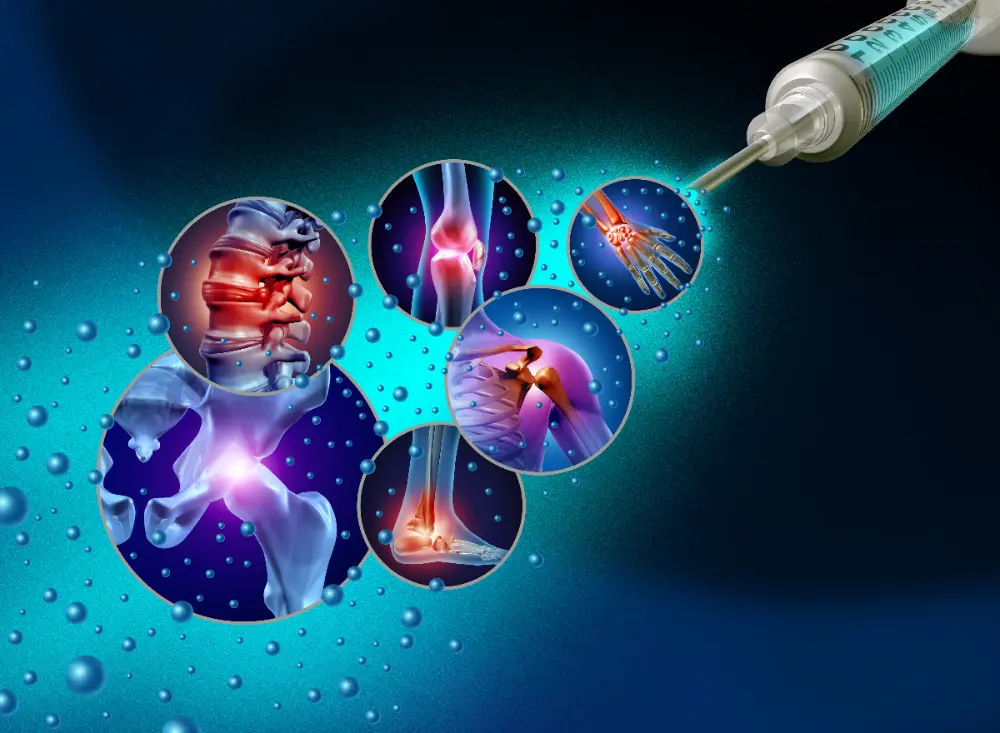
It’s most commonly used for musculoskeletal pain and mobility limitations in the knees, hips, shoulders, back, and other joints, offering a non-surgical, drug-free option for people exploring alternatives to surgery.
Have you ever wondered if there’s a way to address persistent joint pain and discomfort without resorting to surgery? For many people seeking to improve their quality of life, the answer may lie in the field of regenerative medicine. This area of health care is designed to work with your body, supporting its natural healing processes.
At QC Kinetix, our medical team takes a compassionate, patient-centered approach. We understand that your goal is to get back to the activities you love, and our treatments are designed to support you on that journey. By focusing on non-surgical solutions, we help you explore options that can improve your comfort and mobility.
Explore Non-Surgical Options for Joint Pain
Understanding Regenerative Medicine
Regenerative medicine is a branch of medicine that supports the body’s natural recovery mechanisms to improve function and comfort at the source of pain.
In the broader medical literature, regenerative medicine is a wide field of biomedical approaches, as AABB explains. It draws from advances in cell biology, tissue engineering, and other areas of biomedical research.
A key component of this approach is orthobiologics. The American Academy of Orthopaedic Surgeons (AAOS) describes these as substances that come from natural sources in the body, including blood products such as platelet-rich plasma (PRP). At QC Kinetix, orthobiologics are collected from your own body and concentrated to support its recovery processes.
Regenerative medicine does not replace traditional medical care, and individual results vary. This approach is designed to help improve discomfort and mobility without surgery or long-term reliance on pain medications.
Types of Orthobiologic Treatments at QC Kinetix
QC Kinetix offers several orthobiologic treatments. Each uses biologic materials from your own body and is designed to support the body’s natural healing processes.
| Treatment | What It Is | What It Is Designed To Do |
|---|---|---|
| Platelet-Rich Plasma (PRP) | Concentrated platelets collected from your own blood and injected into the affected area. | Platelets contain growth factors that may help reduce pain and support the body’s natural repair process. |
| BMAC (Bone Marrow Aspirate Concentrate) | A concentrate collected from your own bone marrow containing living cells, growth factors, and proteins. | May help decrease inflammation and support joint and soft-tissue health. |
| Plasma Protein Concentrate | Naturally occurring proteins collected from your own blood. | May help decrease inflammation and pain, and support joint health. |
How Regenerative Medicine Works
Regenerative medicine treatments use natural biologic materials to help create a supportive environment for your body’s recovery.
In practice, it works like this:
- Your body starts a natural healing process when you experience an injury or chronic discomfort.
- Treatments are designed to enhance that response by concentrating biologic materials and introducing them to the affected area.
- These materials can help reduce inflammation and support the body’s natural healing processes in that area.
- They may also influence your immune system response, which may help create better conditions for long-term improvement.
This field is still evolving. The AAOS notes that research on orthobiologics is still developing, and the U.S. Government Accountability Office similarly describes regenerative medicine as a promising but still-developing field. Individual results vary, and response depends on the person and the area treated.
What Regenerative Medicine Is Used For
Regenerative medicine is most commonly used to address pain and mobility limitations caused by musculoskeletal conditions. It offers a non-surgical option for people dealing with:
- Discomfort in the knees, hips, or ankles
- Soreness in the lower back
- Pain in the shoulders, elbows, or wrists
- Arthritis pain or pain related to tendon injuries
At QC Kinetix, we provide a range of treatments tailored to your specific needs. For example, our non-surgical shoulder pain treatment options are designed to help improve joint function and decrease discomfort without surgery. For a deeper look at conditions and body areas, read our guide to what regenerative medicine is used for.
Benefits of Regenerative Medicine
Patients who choose regenerative medicine often do so because they are looking for an approach that aligns with a more holistic view of health. The potential benefits focus on improving your quality of life with minimal disruption.
- A Non-Surgical Approach: Designed for people who want to explore options that do not involve surgery or the longer recovery time that can come with it.
- No General Anesthesia: Treatments are performed in our clinic with no need for general anesthesia.
- Less Downtime: Because treatments are performed in the clinic, you may be able to return to daily activities sooner than with a surgical procedure.
- Drug-Free Treatments: Treatments use biologic materials rather than medication, offering a drug-free option for people exploring alternatives to long-term pain medication.
- Improved Mobility and Comfort: The primary goal is to help you move more freely and with less pain.
- Personalized Treatment Plans: Every plan is tailored to your unique needs and wellness goals.
Frequently Asked Questions (FAQ)
What is regenerative medicine used for?
Regenerative medicine is most commonly used to address pain and mobility limitations related to joint and musculoskeletal conditions. By supporting the body’s natural healing processes, these treatments are designed to help reduce inflammation and help improve function and comfort.
Does insurance cover regenerative medicine?
Regenerative medicine treatments are typically paid out-of-pocket, as most insurance plans do not cover them. Your cost is set at your complimentary consultation, and payment plans are available.
How does regenerative medicine work?
In simple terms, these treatments use concentrated biologic materials from your own body to create an environment that supports the body’s natural healing processes. This process may help reduce inflammation and help improve comfort and mobility.
Is regenerative medicine right for everyone?
Not everyone is a candidate. Regenerative treatments have contraindications, including pregnancy, active cancer, immunocompromise, undergoing chemotherapy or radiation, dialysis, and total joint replacement. A complimentary consultation with a QC Kinetix provider can help determine whether these treatments may be appropriate for you.
Why Choose QC Kinetix
At QC Kinetix, you are our top priority. Our dedicated medical team provides a compassionate and patient-centered experience from start to finish.
We focus on natural biologics and non-surgical treatments to help support your goals of improved mobility and a more active lifestyle. Our regenerative medicine treatments, including treatments for back pain and other areas of the body, are designed to help decrease pain and improve function. Individual results vary.
Ready to Take the Next Step?
If you’re tired of living with pain and want to explore personalized, non-surgical options, it’s time to learn more about regenerative medicine. Find one of our local regenerative medicine treatment centers near you and book a complimentary consultation with the QC Kinetix team today!
SOURCES:
- AABB: Regenerative Medicine
- AAOS OrthoInfo: Orthobiologics FAQ
- U.S. Government Accountability Office: Revolutionary Medical Technology Could Help Millions
Medical Disclaimer: This content is for informational purposes only and is not a substitute for professional medical advice. Individual results vary. Regenerative treatments have contraindications, including pregnancy, active cancer, immunocompromise, undergoing chemotherapy or radiation, dialysis, and total joint replacement.


