Conditions Treated > Back Pain > Disc Arthroplasty Alternatives

Disc Arthroplasty Alternatives

Nonsurgical Options for Back Pain

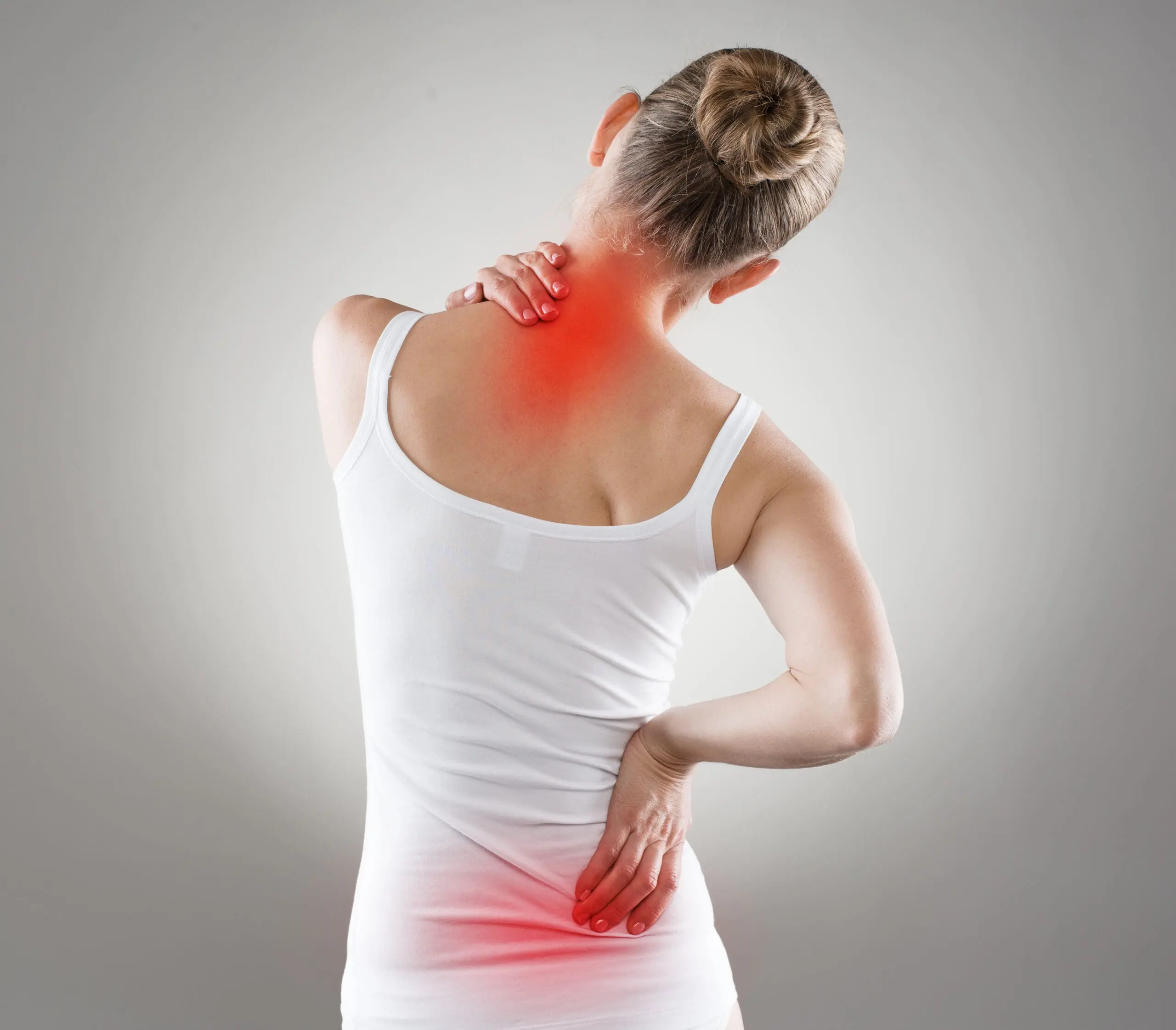
Back pain is a common condition that can interfere with work, movement, and daily life. While some cases improve with rest, others may involve more serious spinal issues, such as a damaged or degenerated disc.

When symptoms persist, some patients consider surgical options like disc arthroplasty. At QC Kinetix®, we offer regenerative medicine treatments designed to support improved function and mobility without surgery.

What is

Disc Arthroplasty?

Disc arthroplasty is a surgical procedure that replaces a damaged or degenerated spinal disc with an artificial disc.

Spinal discs act as cushions between the vertebrae, helping absorb shock and support movement. When a disc becomes damaged, it can lead to symptoms such as:

During disc arthroplasty, the damaged disc is removed and replaced with an artificial device designed to maintain movement in the spine.

How the Procedure Works

Disc arthroplasty is considered a major surgical procedure and is typically performed under general anesthesia.

During surgery:

  • An incision is made in the back or neck
  • The damaged disc is removed
  • An artificial disc is inserted in its place

The goal of the procedure is to maintain spinal motion while reducing pain associated with disc degeneration.

Following surgery, patients are often monitored in the hospital and may require physical therapy as part of recovery.

Recovery After Disc Arthroplasty

Recovery timelines can vary depending on the individual and the extent of the procedure.

In general, recovery may include:

  • A short hospital stay after surgery
  • Activity restrictions such as avoiding bending, lifting, or twisting
  • Physical therapy to improve strength and mobility
  • A gradual return to work and normal activities

Full recovery can take several months as the body adjusts and strength returns.

Potential Risks of Disc Arthroplasty

As with any surgical procedure, disc arthroplasty carries potential risks.

These may include:

  • Infection
  • Nerve irritation or damage
  • Implant-related complications
  • Ongoing or recurring pain

Because of these considerations, many patients explore nonsurgical options before deciding on surgery.

Nonsurgical Back Pain Treatment at QC Kinetix

At QC Kinetix, we provide regenerative medicine treatments designed to support the body’s natural processes and address musculoskeletal back pain using natural biologics.

Our minimally invasive treatments aim to improve function and help patients return to daily activities without surgery.

Each treatment plan is customized based on your symptoms, medical history, and goals.

Are You a Candidate for Regenerative Back Pain Treatment?

The best way to determine whether you are a candidate is to schedule a free consultation at your local QC Kinetix clinic.

During your visit, our providers will:

  • Review your symptoms

  • Discuss your medical history

  • Evaluate your condition

  • Explain your nonsurgical treatment options

You may be a good candidate if you:

  • Have chronic back pain related to disc issues

  • Have not found sufficient improvement with conservative care

  • Want to avoid spinal surgery

  • Are seeking nonsurgical treatment options

Benefits of

Nonsurgical Back Pain Treatments

Regenerative treatments offer a nonsurgical alternative for people seeking relief from back pain without the hospital stay or extended recovery often associated with surgery.

Less Invasive

Treatments are performed in an outpatient setting.

No Hospital Stay

Patients return home the same day.

Personalized Care

Treatment plans are tailored to each patient’s condition and goals.

Improved Function

The goal of treatment is to support better mobility and daily activity.

Ready to explore your options for back pain without surgery?

Schedule your free consultation at your local QC Kinetix clinic today to learn more about regenerative medicine treatment options.

Success Stories

Medical Disclaimer: This content is for informational purposes only and is not a substitute for professional medical advice. Individual results vary. Regenerative treatments have contraindications, including pregnancy, active cancer, immunocompromise, undergoing chemotherapy or radiation, dialysis, and total joint replacement.

Secret Link