

Ankle arthritis pain can make everyday movement more difficult than it should be. Morning stiffness, swelling by evening, and a deep ache on stairs or uneven ground can make you skip walks and other activities you enjoy.
You may have been told to brace the ankle, limit activity, or eventually consider ankle fusion or replacement; There are other options to explore first. At QC Kinetix, our regenerative medicine treatments are designed to target the source of ankle arthritis pain without surgery.

Ankle arthritis pain often feels like a deep ache, stiffness, and swelling around the ankle that gets worse with activity and weight-bearing. Because the ankle is a weight-bearing joint, symptoms tend to build as the day goes on. If you have wondered what arthritis in the ankle feels like, these are some of the most common symptoms:
Some people also notice a grinding or crackling sensation when the joint moves. The National Institute of Arthritis and Musculoskeletal and Skin Diseases lists this as a common symptom of osteoarthritis. You may also notice that your symptoms rise and fall with your activity level.

Arthritis pain in the ankle joint most often starts after an ankle injury, followed by gradual cartilage wear over time. The main ankle joint, called the tibiotalar joint, is where the shinbone (tibia) meets the talus, a bone that sits on top of the heel bone. When the cartilage covering these bones wears down, the joint space narrows, and the bones lose their protective, friction-free joint padding.
According to the American Orthopaedic Foot & Ankle Society, post-traumatic arthritis is the most common type of ankle arthritis, usually following a broken bone or multiple severe sprains. Common contributors include:
Age-related wear drives osteoarthritis pain in the knees and hips, but in the ankle, an earlier injury is more often the starting point.
Early signs of ankle arthritis pain often include mild stiffness, occasional swelling, and soreness after activity. With early-stage arthritis in the ankle, discomfort often appears after a long walk or a day on your feet and eases with rest.
These signs usually build gradually. A healthcare provider can confirm the cause, and knowing who to see for ankle pain can help you get answers sooner.


Ankle arthritis pain usually builds gradually, a sprain follows a specific injury, and gout tends to come in sudden flares. Because these conditions can feel similar at first, here is how they typically differ:
An accurate diagnosis is best confirmed by a healthcare provider.
Conventional ankle arthritis treatment usually starts with supportive footwear, bracing, and activity modification, with surgery reserved for advanced cases. If you have researched how to treat ankle arthritis, you’ve likely seen guided strengthening exercises, anti-inflammatory medications, and corticosteroid or hyaluronic acid injections. Many of these are the same approaches used for arthritis pain in other joints.
In advanced cases, a surgeon may recommend ankle fusion or total ankle replacement, major procedures with recovery that can take a year or more.
These approaches may help reduce symptoms for some people. Others continue to have pain and want to explore additional non-surgical options before committing to surgery.

QC Kinetix provides non-surgical pain relief for ankle arthritis through regenerative medicine treatments designed to support the body’s natural processes and address pain at the source. Like our other ankle pain treatment options, these biologic treatments use material collected from your own body. Each is a minimally invasive outpatient treatment.
Our regenerative health providers create personalized treatment plans based on your symptoms, activity level, and goals. Your plan may include one or more of the following treatments, each designed to promote joint comfort.

PRP treatment uses platelet-rich plasma prepared from a small sample of your own blood. The platelets are concentrated and delivered to the treatment area to support the body’s natural healing processes. PRP may help reduce joint discomfort in the ankle.
BMAC treatment uses bone marrow aspirate concentrate collected from your own body. BMAC contains living cells, growth factors, and proteins that may help decrease inflammation and support joint and soft tissue health. It is designed to work with your body’s natural processes to revitalize tissues and improve function.
Plasma protein concentrate supports joint comfort by concentrating proteins from your own blood. This natural biologic option may help support a healthier joint environment and ease ankle osteoarthritis pain.
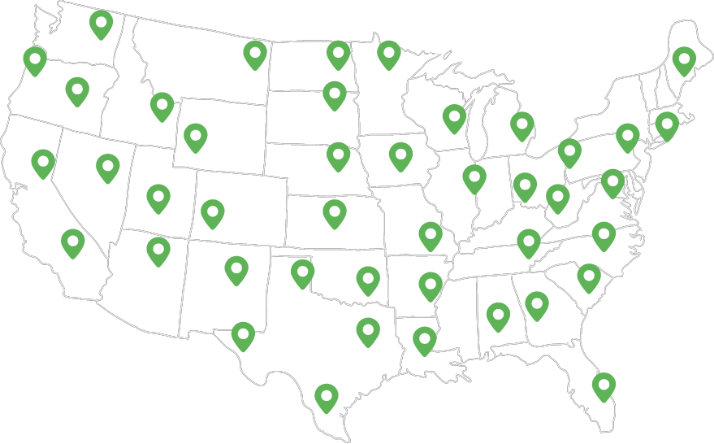
QC Kinetix serves patients throughout 30+ states with professional clinics offering cellular therapy near you. No need to travel internationally, we continue to expand locations where cellular therapy is needed most.
You may be a candidate if ankle arthritis pain continues to limit your daily life despite conservative care. Our medical team reviews your symptoms, history, and goals before recommending a plan. You may be a candidate if you:
The best way to determine whether you are a candidate is to schedule a consultation at your local QC Kinetix clinic.

| Less Invasive Minimally invasive techniques performed in an outpatient setting |
No Hospital Stay Return home the same day |
| Personalized Care A treatment plan tailored to your condition and goals |
Improved Function The goal is to support better movement and daily comfort |
Your provider will walk you through each step so you can make an informed decision.
If conservative care has not given you the relief you hoped for, regenerative medicine may be worth discussing. Our providers can review what you have tried and whether PRP, BMAC, or plasma protein concentrate may fit your goals.
Many people stay active by adjusting how they move. Swapping high-impact exercise for swimming or cycling and maintaining a healthy body weight can reduce pressure on the ankle.
You may be able to explore non-surgical options first. A consultation can help you understand whether regenerative treatment is appropriate for your situation. People who have already had a total joint replacement are not candidates for these treatments.
Yes. Post-traumatic ankle pain is common, and an earlier injury does not rule out non-surgical treatment. Share any past ankle injuries with your provider, even those from childhood.
Timelines vary from person to person. Some patients notice changes within a few weeks, while others improve gradually over several months. Individual results vary.
There is no significant downtime and no hospital stay. Some people feel mild soreness for a day or two, and most return to normal activities right away or within a few days.
At your first visit, a medical provider reviews your health history and performs a focused exam to determine whether you are a candidate for regenerative medicine treatments. If so, you will discuss a personalized plan, and treatment can begin the same day.
Cost depends on your treatment plan, the area treated, and your location. You will receive exact pricing at your consultation. No insurance or physician referral is needed, and payment plans are available with approved credit.
Schedule your consultation at your local QC Kinetix clinic today to learn more about non-surgical treatment options.
Medical Disclaimer: This content is for informational purposes only and is not a substitute for professional medical advice. Individual results vary. Regenerative treatments may not be appropriate for everyone, including people who are pregnant, have active cancer, are immunocompromised, are undergoing chemotherapy or radiation, are on dialysis, or have had a total joint replacement.
"(Required)" indicates required fields