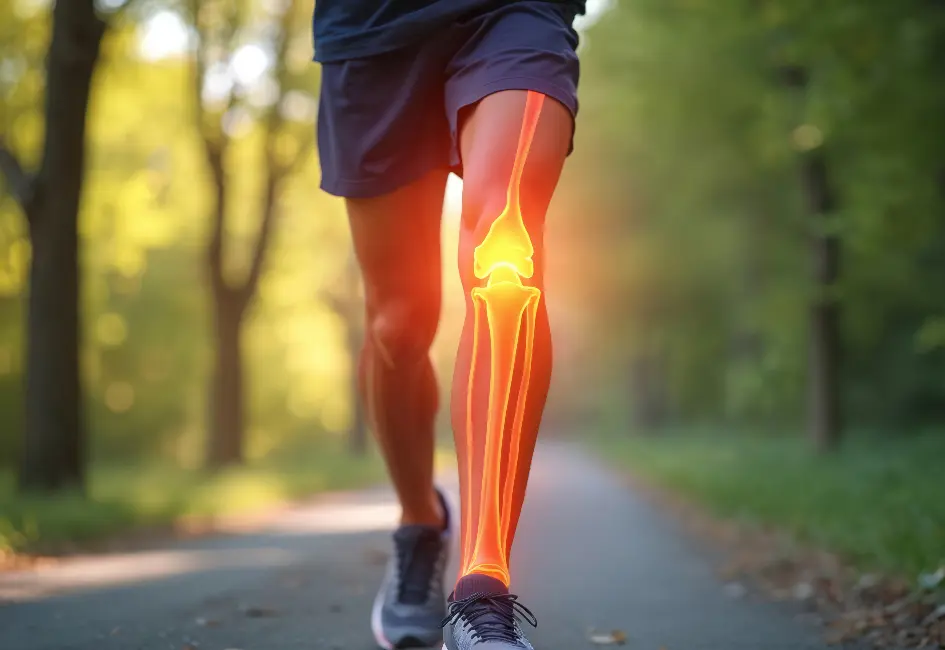
Medial Knee Pain (Tennis Elbow of the Knee)

Nonsurgical Options for Inner Knee Pain Relief

Pain on the inside of your knee can make everyday movement—walking, climbing stairs, or exercising—uncomfortable and limiting. Often referred to as “tennis elbow of the knee,” this condition affects the tendons along the inner knee and is common among active individuals.

At QC Kinetix®, we offer regenerative medicine treatments that aim to target the source of knee discomfort and improve function without surgery. Our therapies use natural biologics to help reduce soreness and restore mobility.

What is

Medial Knee Pain?

“Tennis elbow of the knee” is a common way to describe irritation of the tendons along the inner (medial) side of the knee, also known as pes anserine tendinopathy.

This condition affects a group of tendons that help stabilize your knee during movement, especially during pivoting, stopping, or side-to-side motion.

Symptoms of Medial Knee Pain

Inner knee pain can develop gradually and worsen with activity.

Common symptoms include:

  • Pain on the inside of the knee

  • Discomfort during running, squatting, or climbing stairs

  • Tenderness below the knee joint

  • Swelling in the inner knee area

  • Popping or grinding sensations during movement

If these symptoms persist, it may be time to seek a professional evaluation.

What Causes Inner Knee Pain?

Medial knee pain is often linked to overuse or strain of the tendons that support the knee.

Common contributing factors include:

  • Repetitive movement (especially in sports like tennis)
  • Poor biomechanics or alignment
  • Weak hip or leg muscles
  • Overtraining without proper recovery

These factors can place excess stress on the inner knee, leading to irritation and discomfort over time.

Nonsurgical Knee Pain Treatment at QC Kinetix

QC Kinetix offers regenerative medicine treatments designed to support the body’s natural processes and address musculoskeletal knee pain using natural biologics.

Your customized plan may include treatments such as:

  • Platelet-rich plasma (PRP)
  • Bone marrow aspirate concentrate (BMAC)
  • Stem cells

These minimally invasive treatments aim to:

  • Reduce inflammation
  • Support tissue revitalization
  • Improve knee function and mobility

Our goal is to help you return to your daily activities without surgery.

Are You a Candidate for Regenerative Knee Treatment?

The best way to determine your eligibility is through a free consultation.

You may be a good candidate if you:

  • Have persistent inner knee pain

  • Experience discomfort during activity or exercise

  • Have not found lasting relief with conservative care

  • Want to avoid surgery

  • Desire a nonsurgical treatment plan

During your visit, our providers will evaluate your condition and discuss personalized treatment options.

Benefits of

Nonsurgical Knee Treatments

Regenerative therapies offer alternative treatments for individuals seeking relief from knee pain without surgery.

Minimally Invasive

Treatments are performed in the office without invasive procedures.

No Hospital Stay

Return home the same day.

Personalized Plans

Care is tailored to your condition and activity level.

Improved Mobility

Our treatments aim to help you move more comfortably and stay active.

Frequently Asked Questions

This refers to irritation of tendons on the inner side of the knee, often called medial knee pain or pes anserine tendinopathy.

Common causes for pain on the inside of the knee include overuse, muscle imbalances, poor biomechanics, and repetitive movement.

Treatment for medial knee pain may include rest, physical therapy, medications, and regenerative medicine options.

If your knee pain persists or interferes with daily activities, it’s a good idea to schedule an evaluation.

Ready to take the next step toward relief?

Schedule your free consultation today to learn more about nonsurgical treatment options for medial knee pain at QC Kinetix.

Success Stories

Medical Disclaimer: This content is for informational purposes only and is not a substitute for professional medical advice. Individual results vary. Regenerative treatments have contraindications, including pregnancy, active cancer, immunocompromise, undergoing chemotherapy or radiation, dialysis, and total joint replacement.

Secret Link