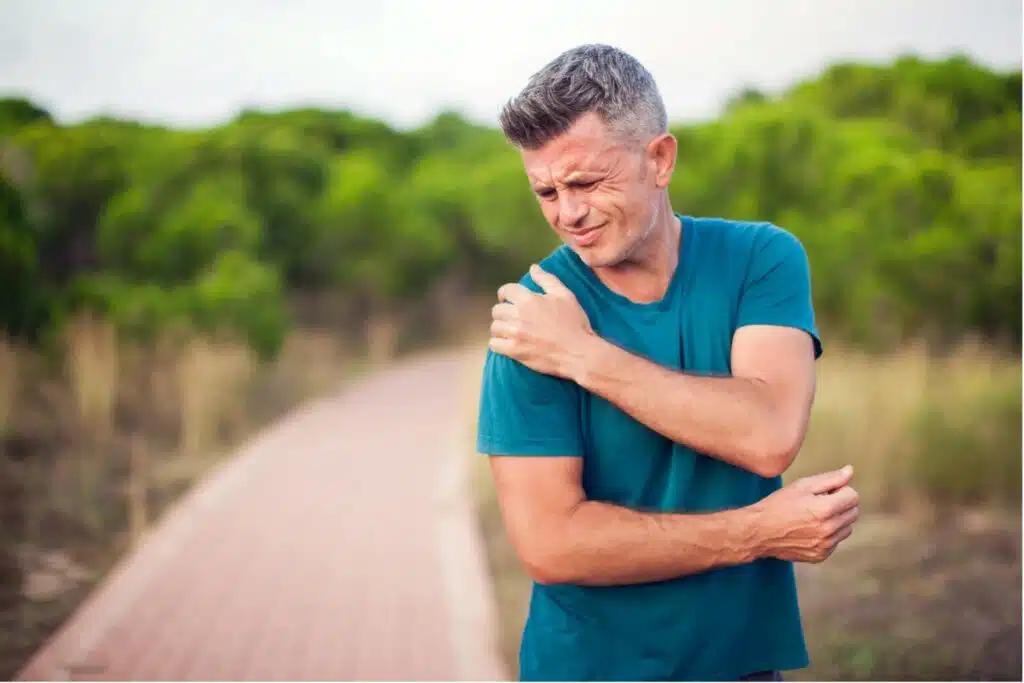
The shoulder labrum is a ring of fibrous cartilage that surrounds the socket of the shoulder joint, providing stability and support to the joint, basically keeping the shoulder in place. A torn shoulder labrum can be a painful and debilitating injury, affecting daily activities and sports performance. Many people wonder if you can heal a labrum tear without surgery and what are the consequences of leaving it untreated. Here’s a look at the possibilities of torn labrum shoulder recovery without surgery and alternative treatment options.
How Do You Tear a Labrum?
A labrum tear may be caused by chronic overuse for folks who participate in sports. Or you may get injured from a fall, carrying something too heavy, or a quick jerking movement. A shoulder labrum tear, often referred to as SLAP (superior labrum, anterior to posterior) can also be a result of wear and tear from aging.
Can a Fully Torn Labrum Heal on Its Own?
Unfortunately, a fully torn labrum is less likely to heal without surgical intervention. In other words, a complete tear is different from a partially torn labrum, which may have more non-surgical options depending on symptoms and stability. Once the labrum is completely torn, the torn edges may not be able to naturally reconnect and heal properly. According to the Cleveland Clinic, leaving a torn shoulder labrum untreated can result in various consequences, including:
Persistent pain
A torn labrum can cause chronic pain, especially during shoulder movements or certain activities. Over time, this pain can become more intense and negatively impact daily life.
Shoulder instability
The labrum plays a crucial role in stabilizing the shoulder joint. A tear can lead to shoulder instability, making the joint more susceptible to dislocations.
Limited range of motion
As the labrum provides support to the joint, a tear can lead to a reduced range of motion, making it difficult to perform overhead or rotational movements.
Accelerated cartilage wear
An untreated torn labrum can increase stress on the shoulder joint, leading to accelerated wear and tear on the surrounding cartilage. This may contribute to the development of osteoarthritis over time.
Impaired function and performance
Individuals with an untreated labrum tear may experience difficulties in daily activities, sports, and work tasks that involve the use of the affected shoulder.
Torn Labrum Shoulder Recovery Without Surgery
In some cases, according to experts at Johns Hopkins, a partially torn shoulder labrum may heal on its own with conservative treatment and proper rehabilitation. That’s why the answer to can a torn labrum heal on its own is often “sometimes”—most commonly when the tear is partial and the shoulder remains stable. The healing process, however, can be slow and may not result in a complete restoration of the labrum’s original strength and structure. The ability of a labrum tear to heal without surgery largely depends on the size, location, and severity of the tear, as well as an individual’s age and overall health. Younger individuals and those with small tears may have a better chance of healing without surgery.
It is possible to live with a labrum tear, especially if it is small or causes only mild symptoms. Some individuals may choose to manage the symptoms through conservative treatments and lifestyle adjustments. However, it is important to understand that living with an untreated torn labrum can lead to long-term complications and decreased quality of life.
Torn Labrum Shoulder Recovery Without Surgery — Treatment Options
If surgery is not recommended or desired, several non-surgical treatment options can help manage the symptoms and improve shoulder function:
- Physical therapy: A structured physical therapy program can help strengthen the shoulder muscles and improve stability. Therapists may also use manual techniques to reduce pain and increase range of motion.
- Rest and activity modification: Avoiding activities that exacerbate the symptoms and giving the shoulder adequate rest can aid in the healing process.
- Pain management: Over-the-counter anti-inflammatory medications or pain relievers may be prescribed to manage pain and inflammation.
- Corticosteroid injections: In some cases, corticosteroid injections may be used to reduce inflammation and alleviate pain.
- Lifestyle modifications: Making certain lifestyle changes, such as avoiding repetitive overhead movements or sports activities that strain the shoulder, can help prevent further injury.
- Regenerative treatment at QC Kinetix: We utilize natural processes for restoring shoulder joint tissues. This is an alternative to surgery, using customized biologics to promote the rebuilding of healthy tissues. For some patients, the regenerative medicine approach may include options such as PRP treatment for shoulder pain, designed to support the body’s natural response and improve function over time.
The Details of Our Non-Surgical Treatment
At QC Kinetix, we use restorative regenerative medicine therapies to help reduce the pain your shoulder injury may cause. Using your body’s own natural healing properties, we can customize a shoulder pain treatment plan, based on your medical history and level of pain, designed to help you feel better, have restored functionality, and improve the quality of your life. If you’re exploring a regenerative treatment for shoulder pain, your plan is tailored to your diagnosis, activity goals, and how your shoulder responds to movement. Our approach is focused on improving comfort and mobility without surgery whenever appropriate.
We understand that the first step in your treatment is correctly diagnosing the source of the pain and resolving it through our cutting-edge diagnostic technologies.
We want to help you feel better. Schedule a free consultation, and we’ll take time with you to discuss the benefits of regenerative therapies.
Frequently Asked Questions
Can a torn labrum heal without surgery?
Sometimes. Smaller tears and stable shoulders may improve with rest, rehab, and activity changes. Larger tears or ongoing instability may require additional medical guidance.
Can a torn labrum heal on its own?
A shoulder can sometimes feel better over time, especially when the tear is partial and symptoms are mild. Progress often depends on tear type, stability, and consistent rehabilitation.
What is a partially torn labrum?
A partial tear means the labrum is damaged but not fully detached. These cases may respond better to conservative care when the shoulder remains stable.
What happens if a torn labrum is left untreated?
Ongoing pain, limited range of motion, weakness, or instability can persist. Over time, compensating for the injury may also affect posture and nearby tissues.
What are the best non-surgical options for a labrum tear?
Many plans start with physical therapy, rest, and activity modification. In some cases, providers may discuss injections or other non-surgical options based on symptoms.
How long does torn labrum shoulder recovery without surgery take?
Timelines vary. Some people notice improvement in weeks, while others need several months of structured rehab to rebuild strength and stability.
What is regenerative medicine for shoulder pain?
Regenerative medicine uses your own natural biologics to support the body’s natural recovery processes. A consultation helps determine whether it fits your condition and goals.