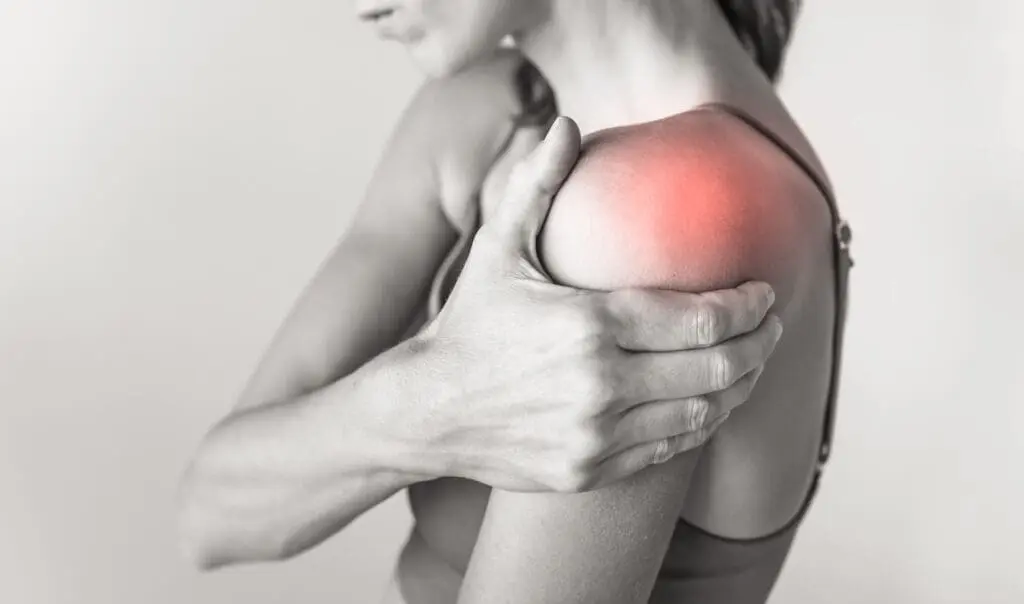
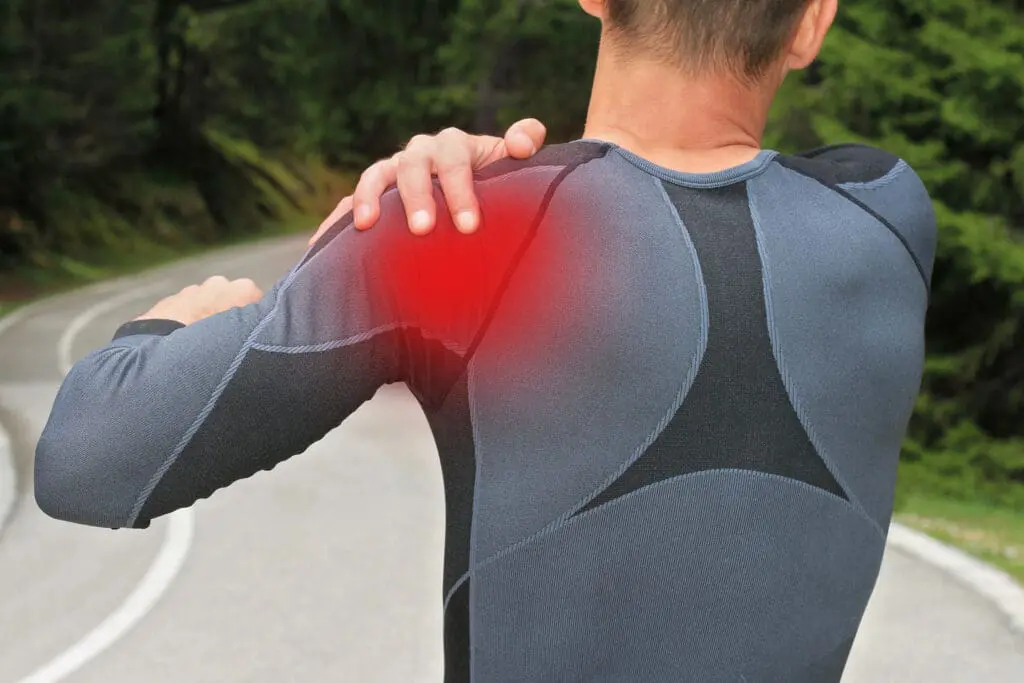
A torn shoulder labrum can make everyday movements difficult. Reaching overhead, lifting objects, or participating in sports may become uncomfortable when the shoulder loses stability.
At QC Kinetix®, we offer regenerative medicine options designed to target the source of shoulder discomfort and support improved function without surgery. Our nonsurgical treatments use natural biologics and minimally invasive techniques to help patients reduce pain and improve mobility.
The shoulder labrum is a ring of cartilage that surrounds the socket of the shoulder joint. It helps keep the joint stable while allowing a wide range of motion.
A torn labrum can occur due to:
When the labrum is damaged, it can affect shoulder stability and lead to chronic pain.
A labrum tear may cause a range of symptoms that interfere with daily activities, including:
In some cases, symptoms may worsen over time if the condition is not addressed.
The likelihood of a torn labrum improving without surgery depends on several factors, including the size and severity of the tear.
Some people may manage symptoms without surgery, but ongoing instability or pain can affect long-term shoulder function.
At QC Kinetix, we provide regenerative medicine treatments designed to support the body’s natural processes and address musculoskeletal shoulder pain using natural biologics.
These minimally invasive treatments may include options such as platelet-rich plasma (PRP), stem cells, and other orthobiologic treatments, depending on your condition.
Our goal is to help improve shoulder stability, support function, and reduce discomfort without surgery.
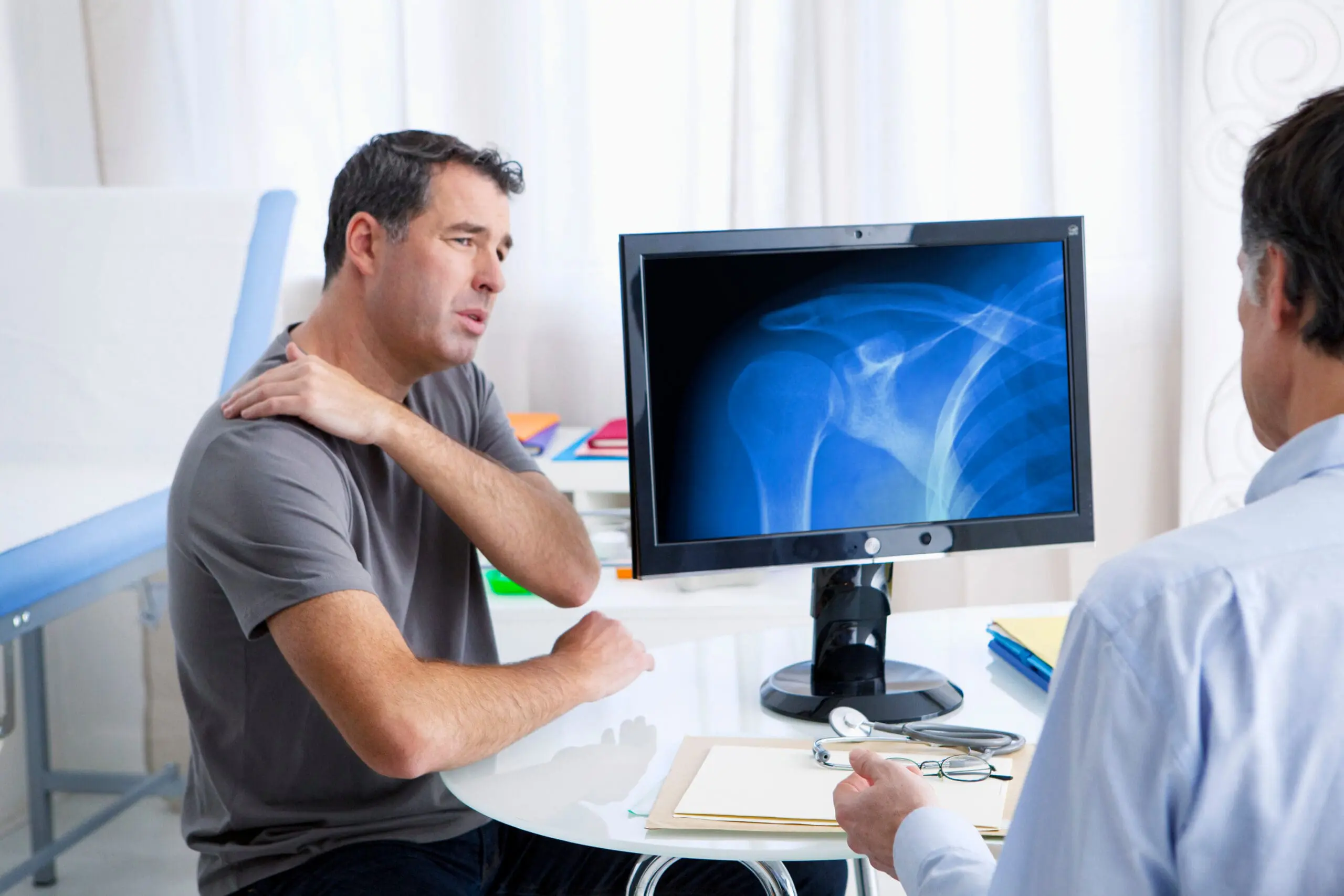
The best way to determine whether you are a candidate is to schedule a free consultation at your local QC Kinetix clinic.
During your visit, our providers will:
You may be a good candidate if you:
Regenerative treatments offer a nonsurgical alternative for people seeking relief from shoulder pain without the hospital stay or extended recovery that comes with surgery.
Treatments are performed using minimally invasive techniques in an outpatient setting.
Patients return home the same day.
Treatment plans are tailored to each patient’s condition and goals.
The goal of treatment is to support better shoulder movement and help you return to daily activities.
Some partial tears may improve with conservative care, while more severe tears may require additional medical evaluation.
If a torn labrum is not treated, chronic pain, range of motion limitation, and shoulder instability may continue or worsen over time.
Nonsurgical treatment options for a torn labrum may include physical therapy, activity modification, medications, injections, and regenerative medicine treatments.
Recovery timelines vary depending on the severity of the labrum tear and the individual’s response to treatment.
Schedule your free consultation at your local QC Kinetix clinic today to learn more about nonsurgical treatment options.
Medical Disclaimer: This content is for informational purposes only and is not a substitute for professional medical advice. Individual results vary. Regenerative treatments have contraindications, including pregnancy, active cancer, immunocompromise, undergoing chemotherapy or radiation, dialysis, and total joint replacement.